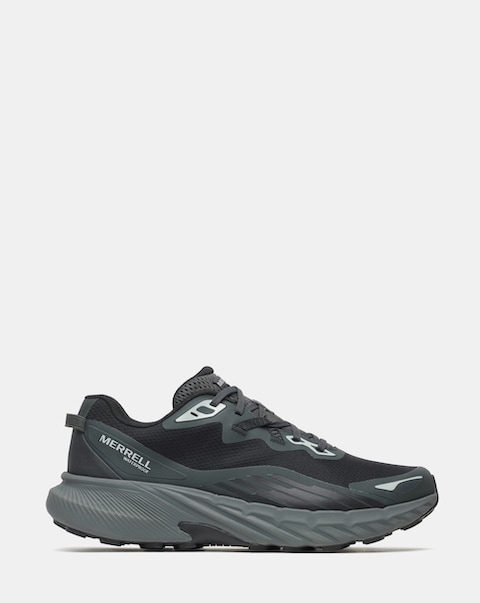
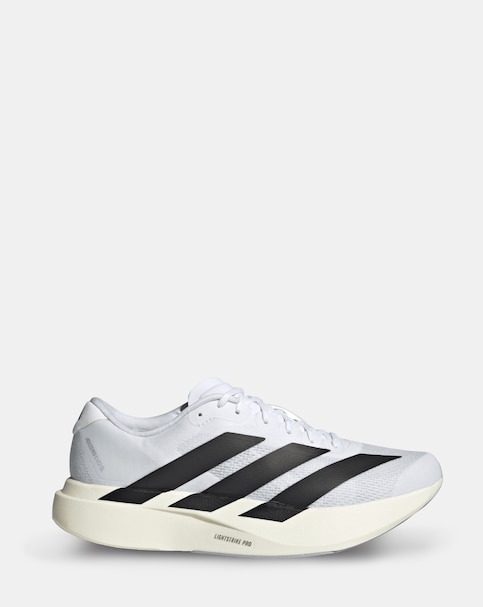
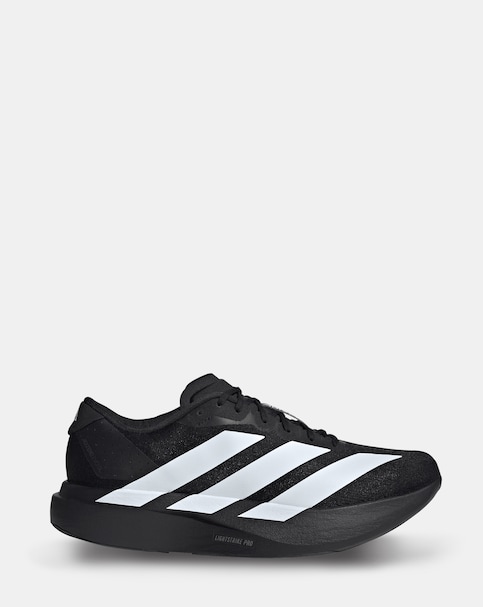
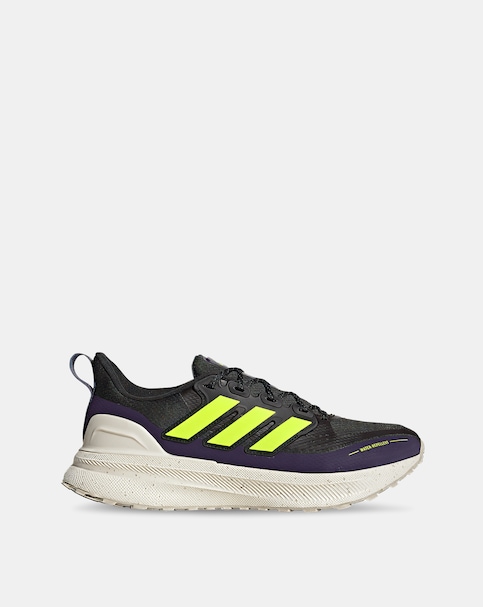
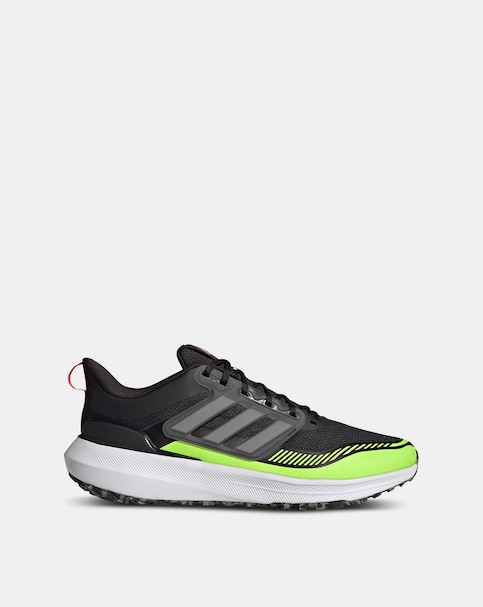
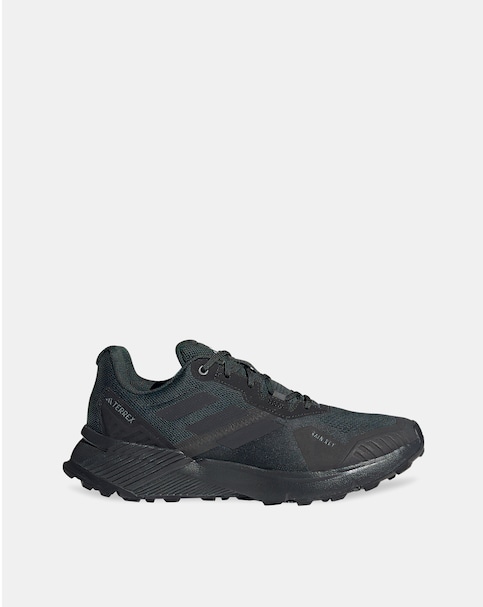
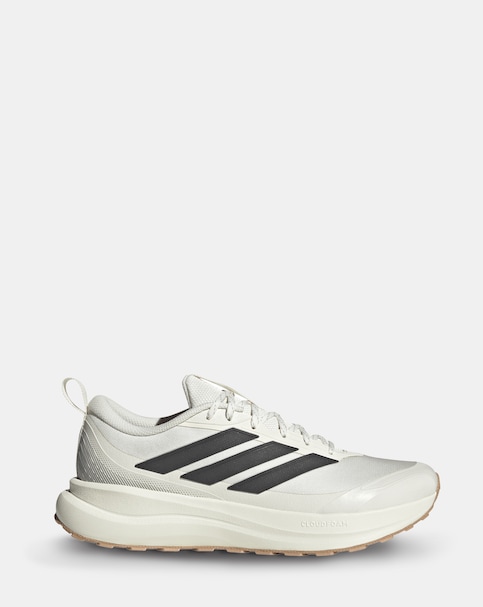
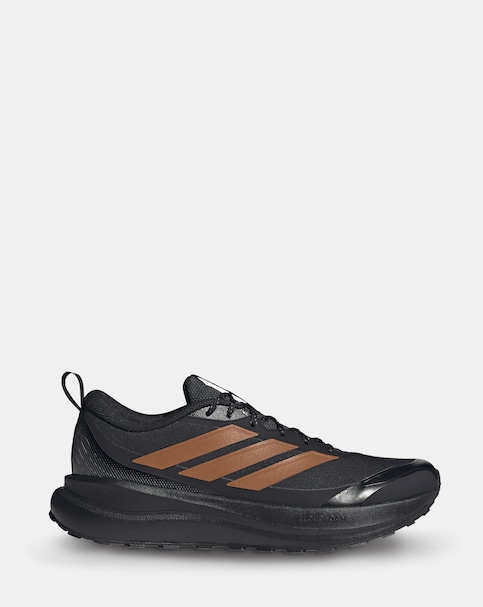
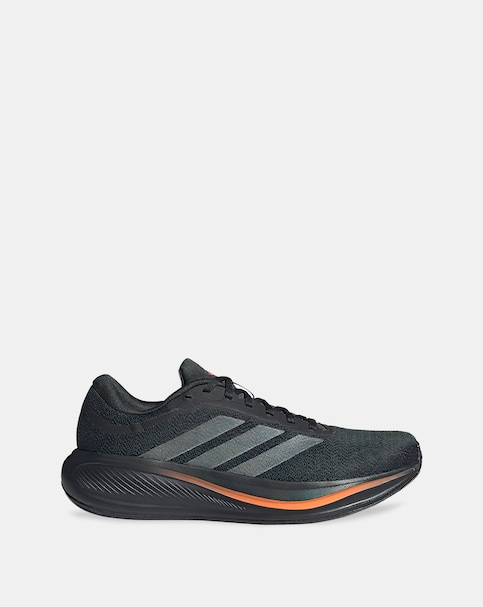
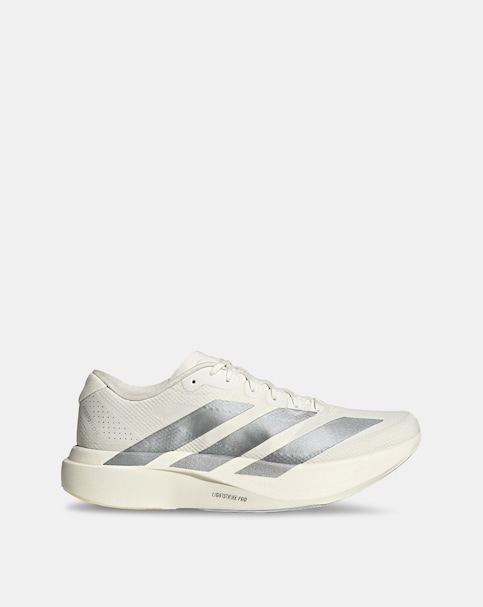
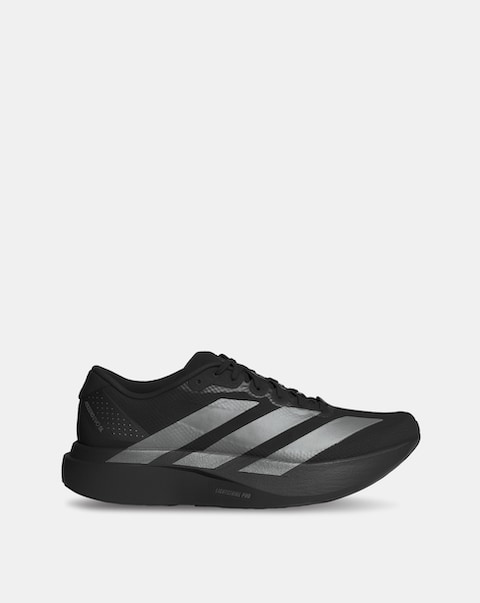
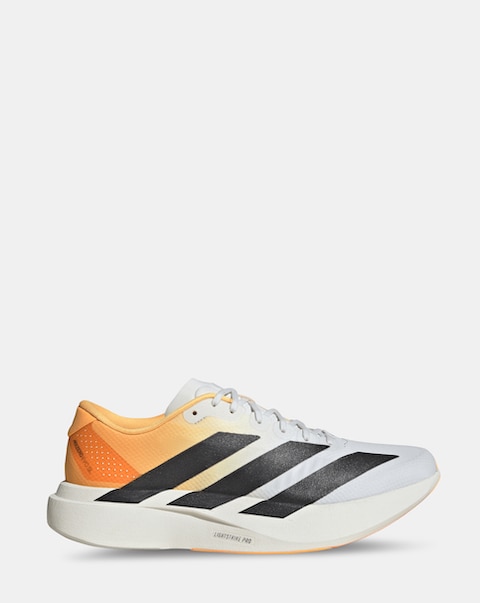
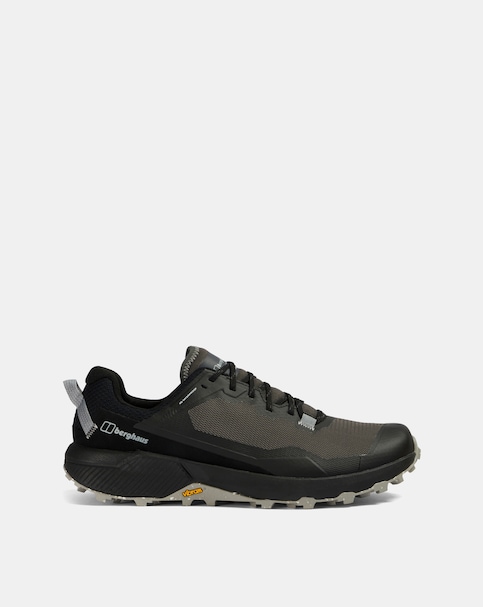
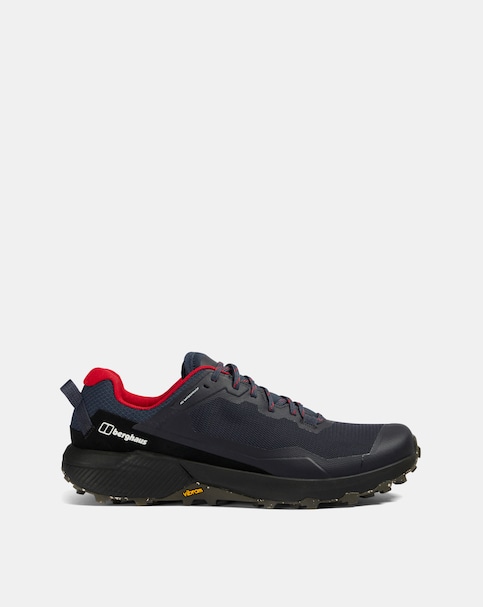
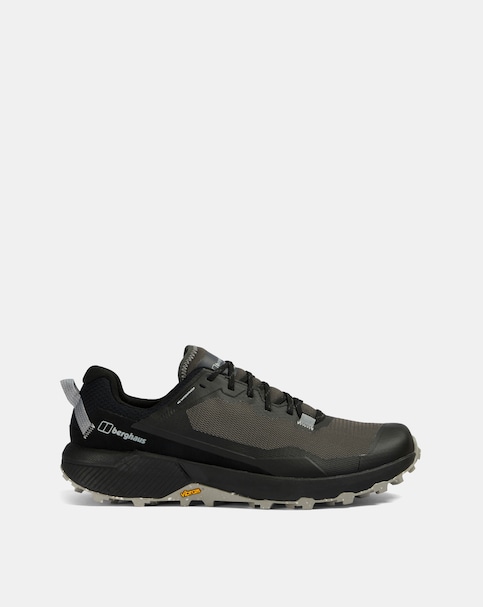
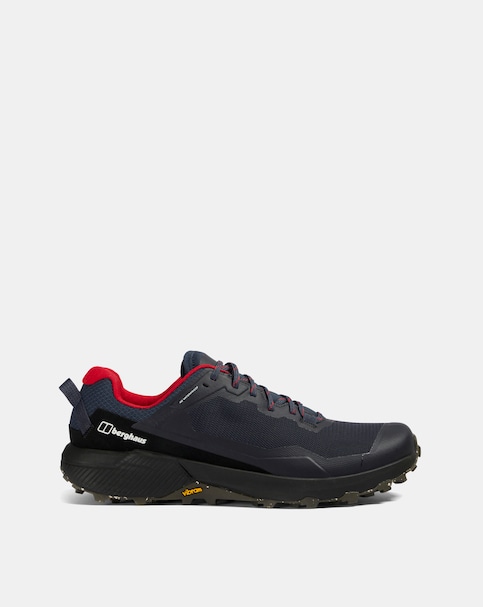
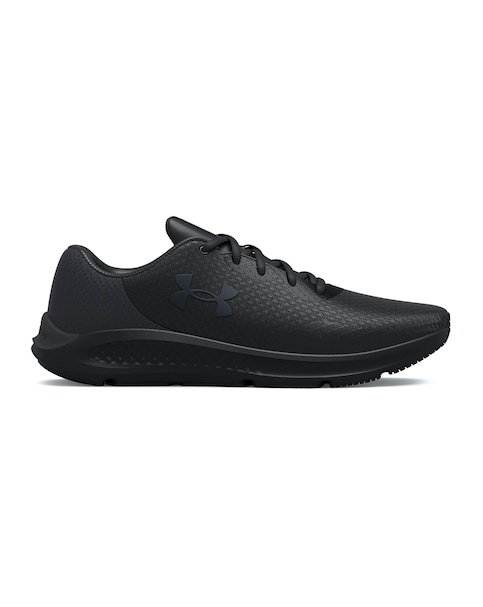
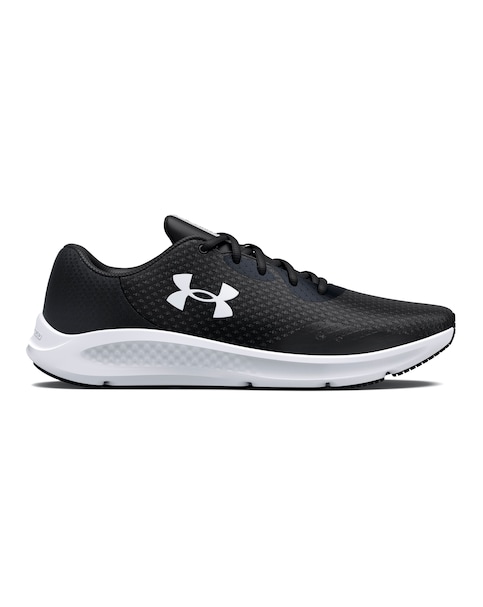
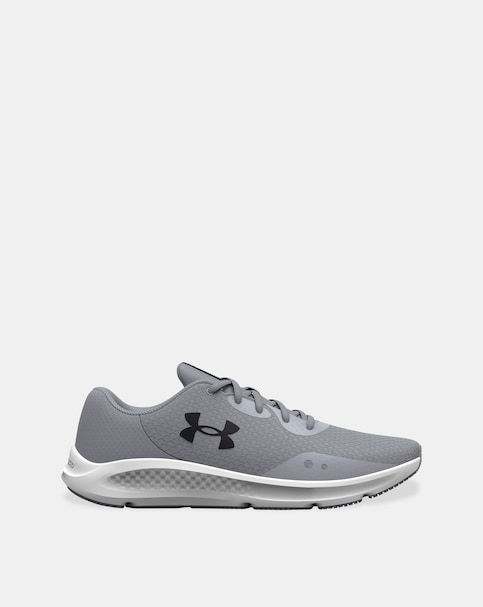
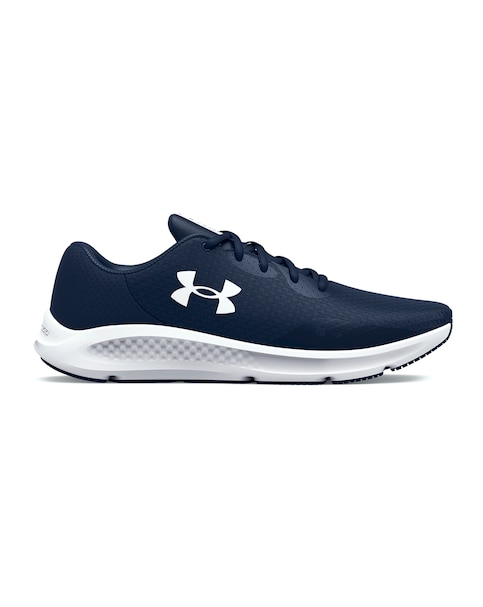
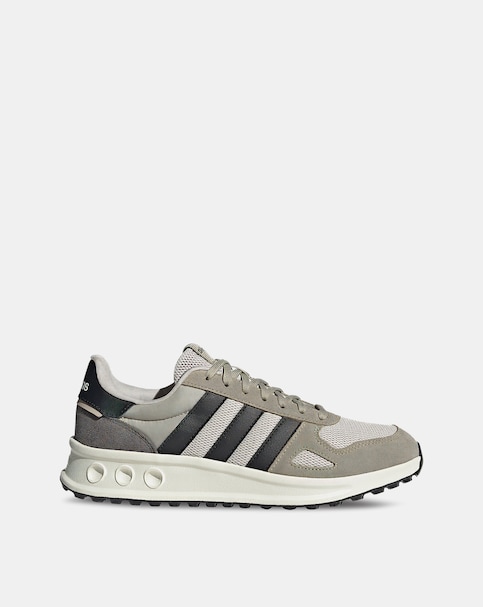
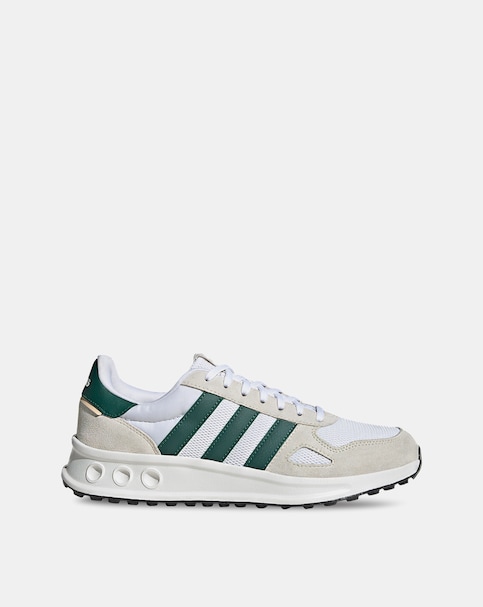
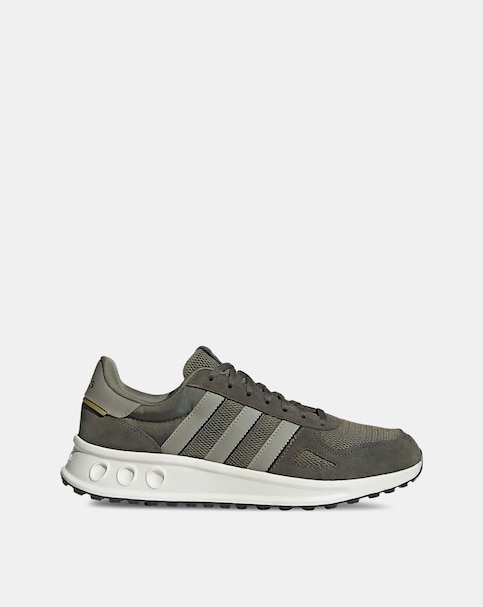
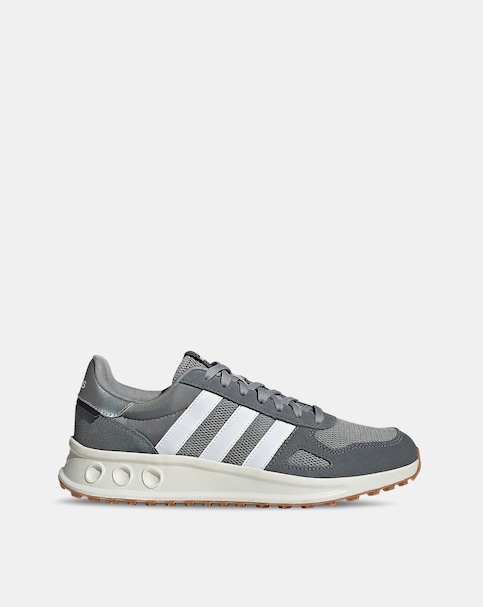
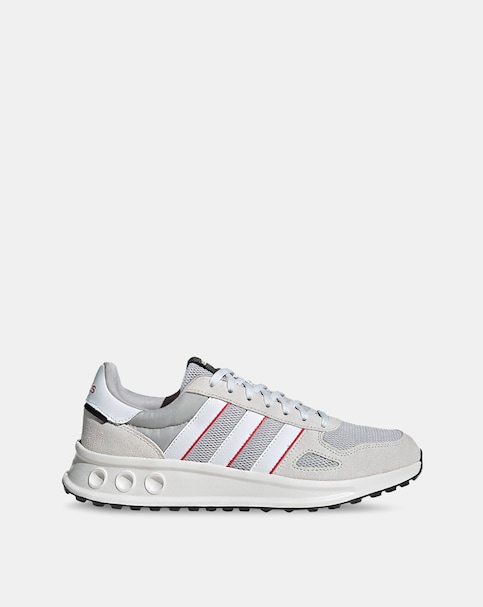
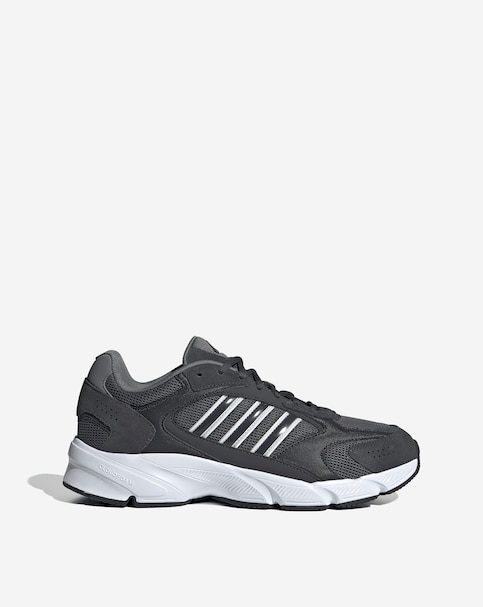
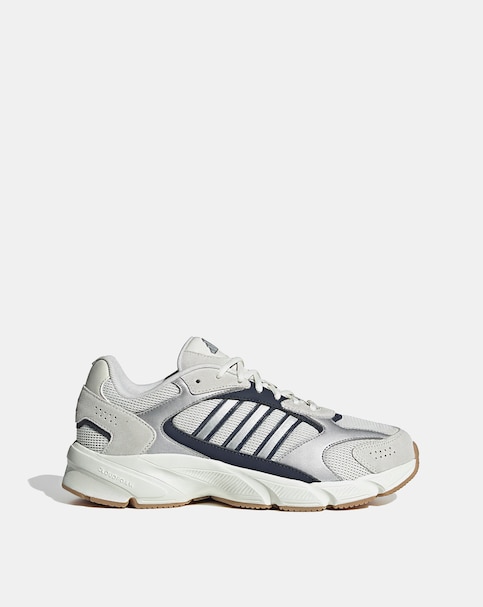
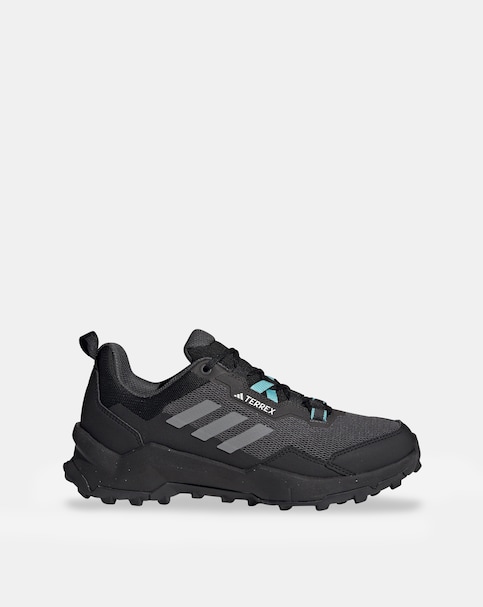
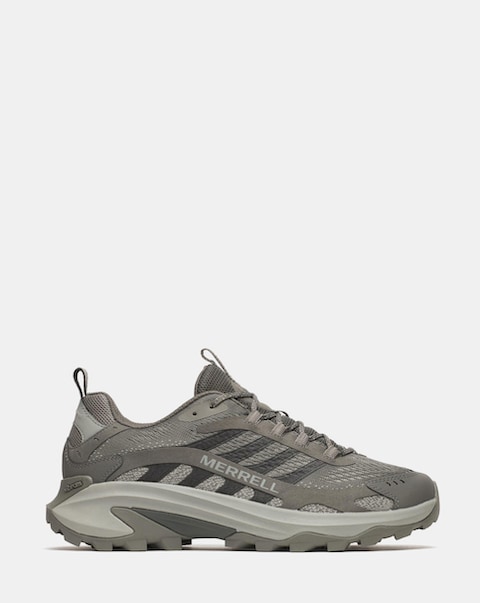
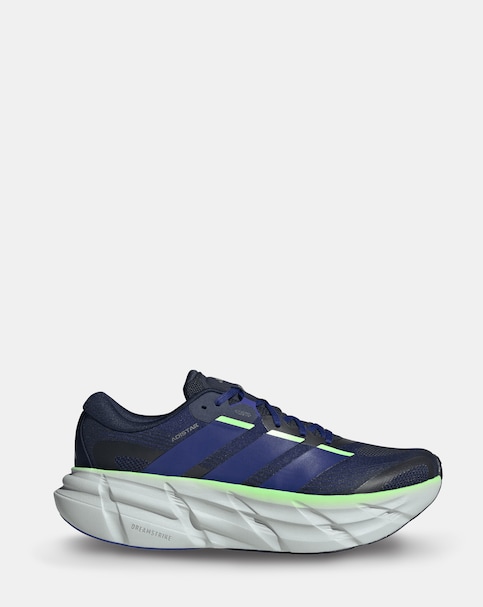
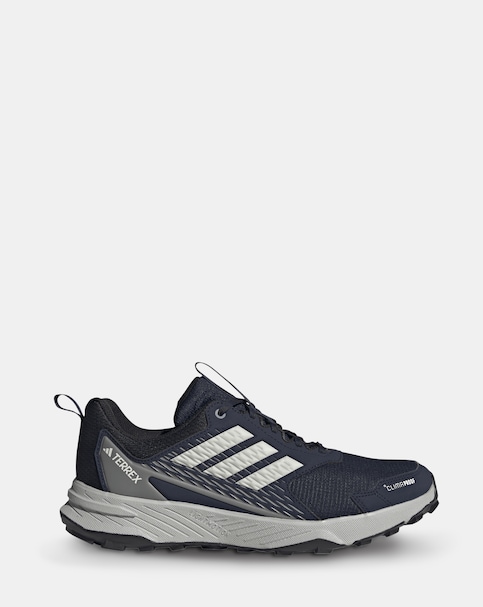
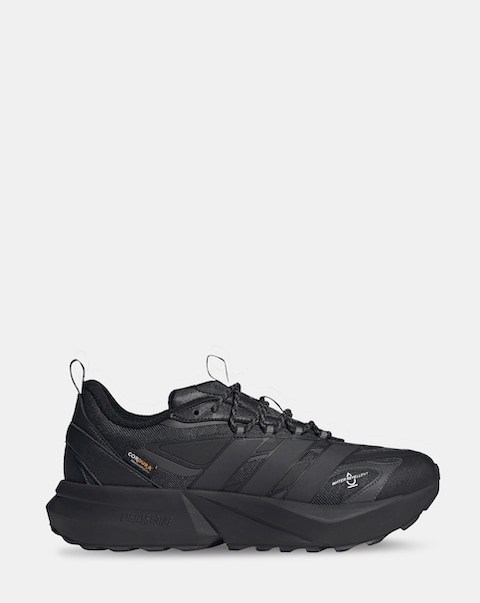
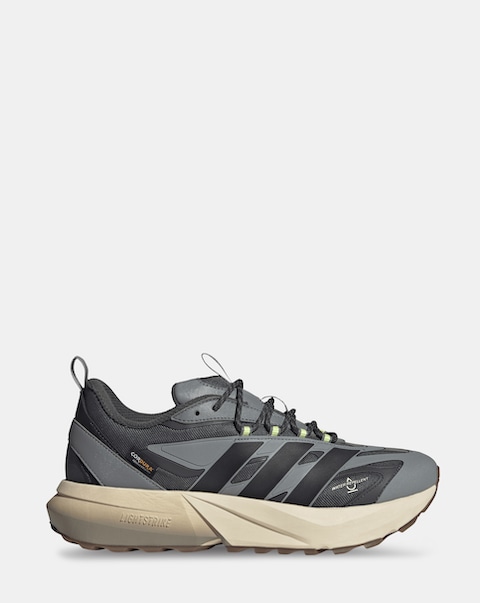
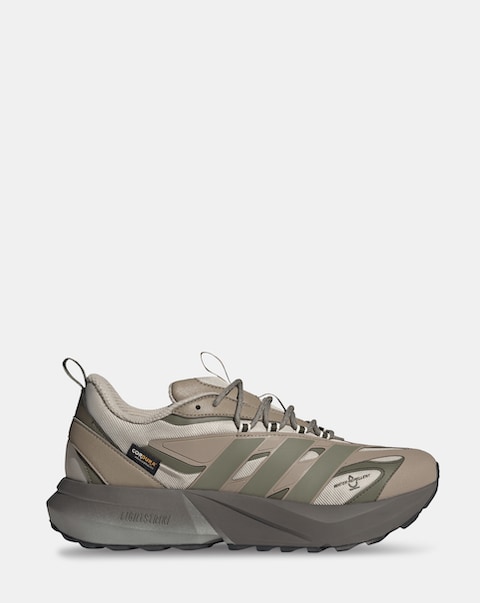
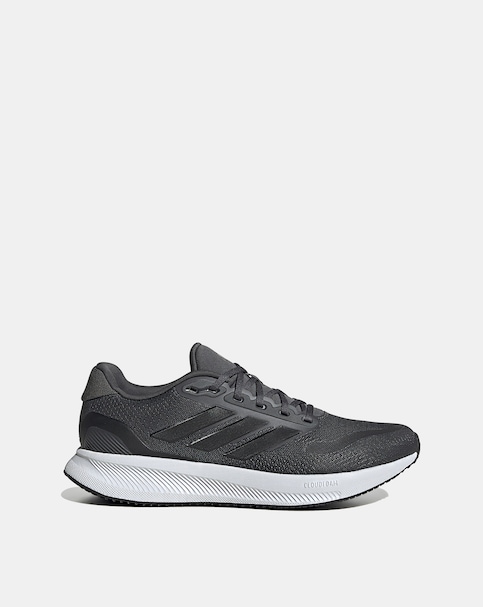
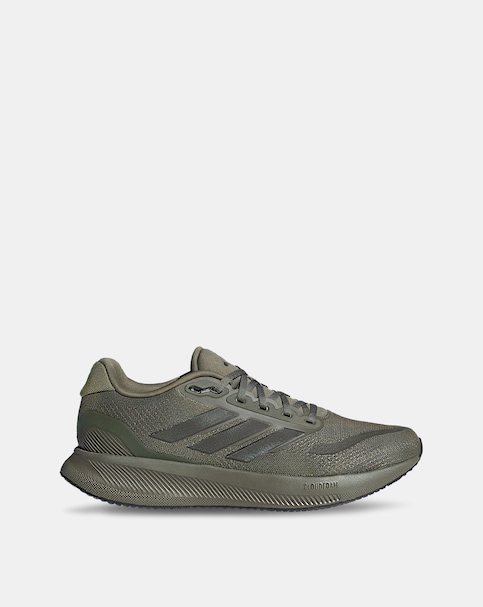
Discover the perfect blend of comfort and performance with our collection of running shoes with traction, designed to enhance your outdoor experience. These shoes feature advanced grip technology, ensuring stability on various terrains, whether you're navigating rocky trails or slippery surfaces. With lightweight materials and breathable designs, they provide the support you need for long runs while keeping your feet cool and comfortable. The cushioned soles offer excellent shock absorption, making each step feel effortless. Elevate your running game and tackle any path with confidence in our specially crafted footwear.
What are the benefits of running shoes with traction?
- Running shoes with traction are specifically designed to provide enhanced grip on various surfaces, which helps prevent slips and falls. They are ideal for trail running or uneven terrains, ensuring stability and confidence during your runs. Additionally, they often feature durable materials that withstand the rigours of outdoor activities.
How do I choose the right running shoes for trail running?
- When selecting running shoes for trail running, look for features such as a rugged outsole for superior traction, a supportive fit, and cushioning for comfort. It's also essential to consider the terrain you'll be running on, as different shoes may perform better on rocky, muddy, or flat surfaces. Trying on several pairs to find the best fit for your foot shape is also recommended.
Can I use running shoes with traction for road running?
- While running shoes with traction are primarily designed for off-road conditions, they can be used for road running if the terrain is not too slippery or uneven. However, they may feel less comfortable on smooth surfaces due to their stiffer soles and added grip. If you frequently switch between road and trail running, consider a hybrid shoe that offers versatility for both environments.
What features should I look for in waterproof running shoes?
- When searching for waterproof running shoes, look for breathable materials that keep your feet dry while allowing moisture to escape. Additionally, ensure they have a good grip and traction to maintain stability on wet surfaces. A cushioned insole and supportive fit are also essential for comfort during longer runs.
How often should I replace my running shoes?
- It's generally recommended to replace running shoes every 300 to 500 miles, depending on your running style, terrain, and shoe construction. Signs that your shoes need replacing include decreased cushioning, visible wear on the outsole, or discomfort during runs. Regularly assessing your shoes can help prevent injuries and maintain optimal performance.