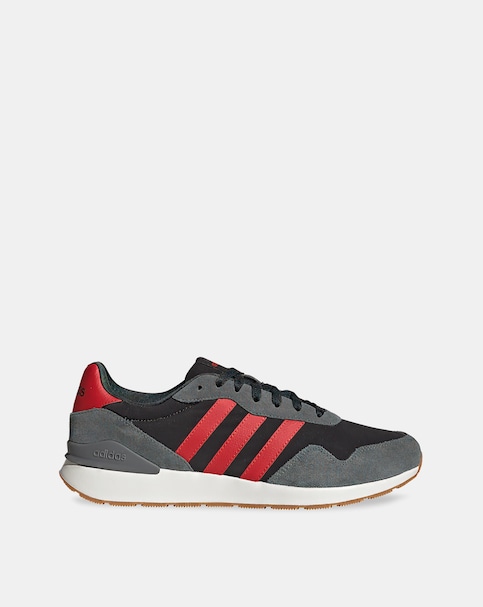
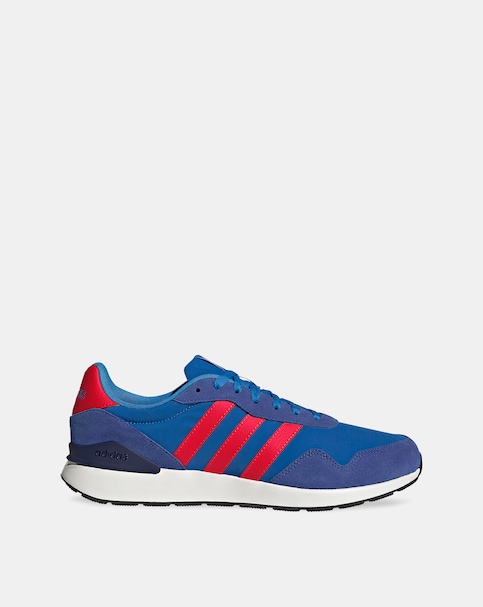
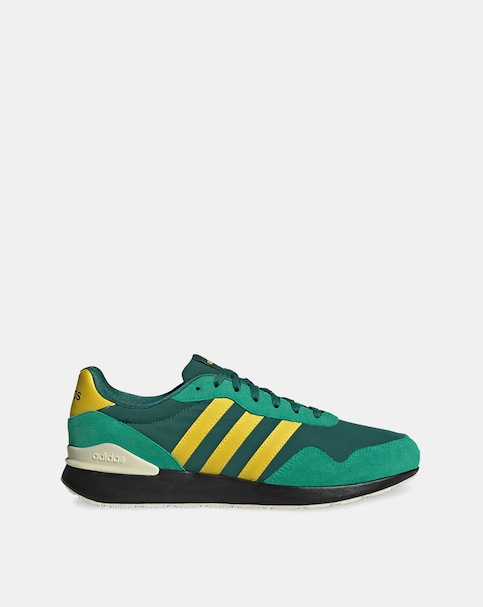
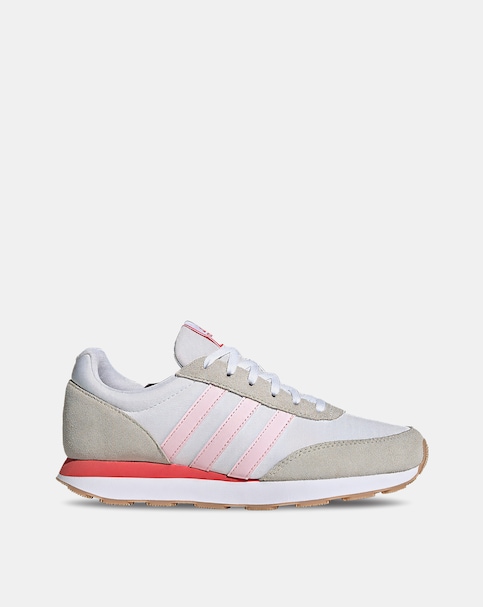
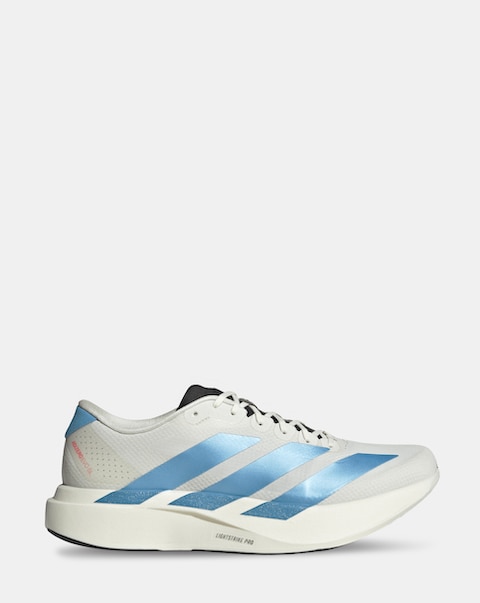
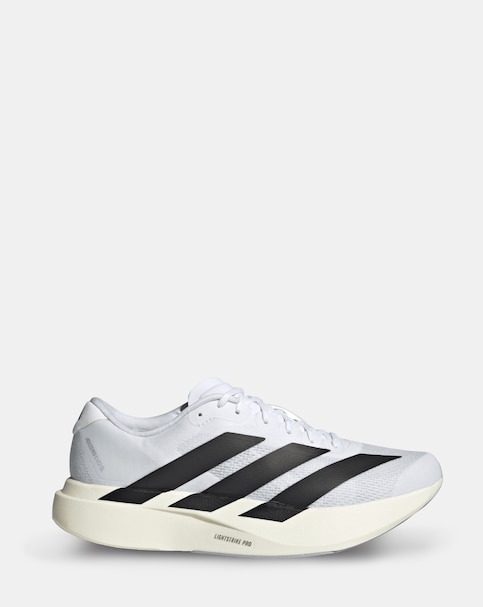
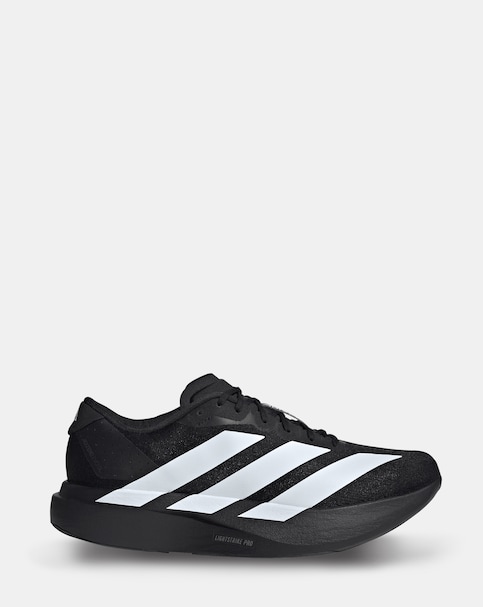
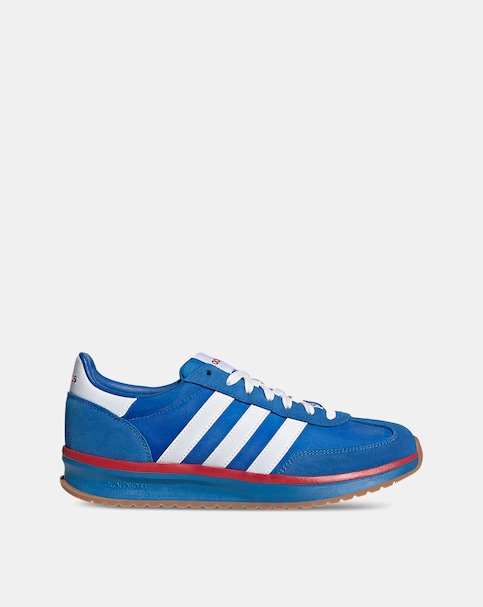
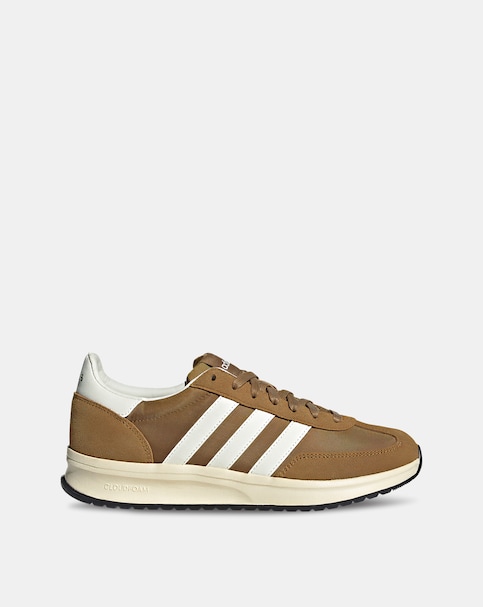
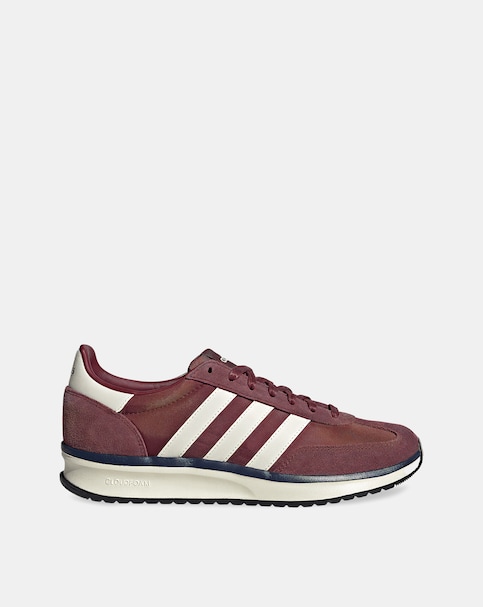
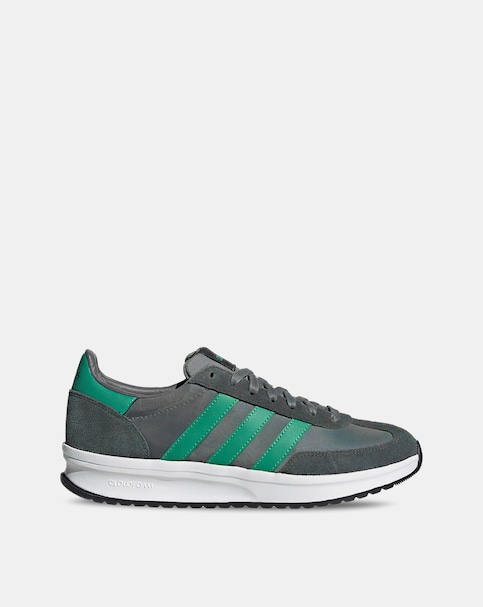
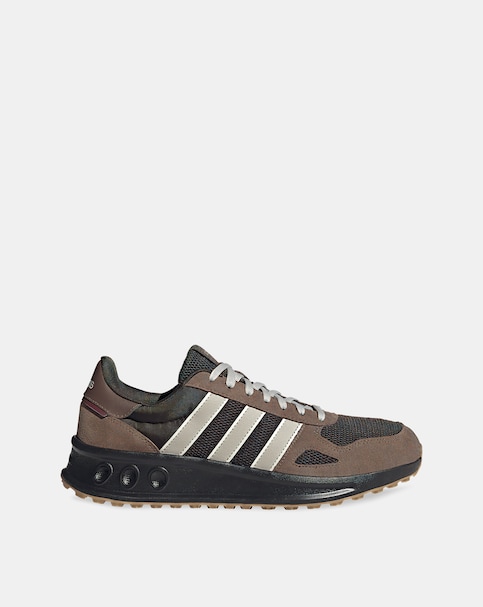
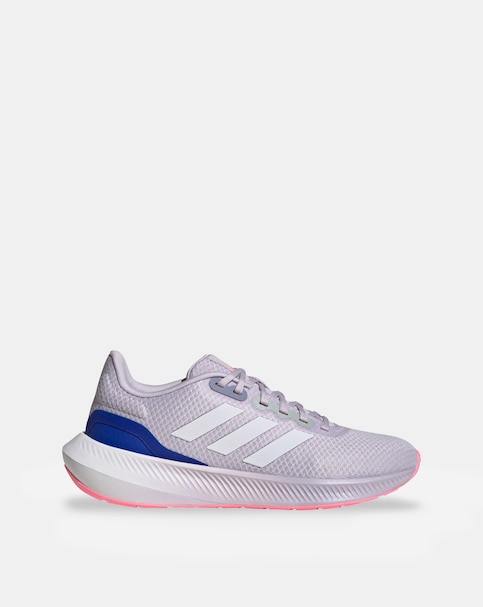
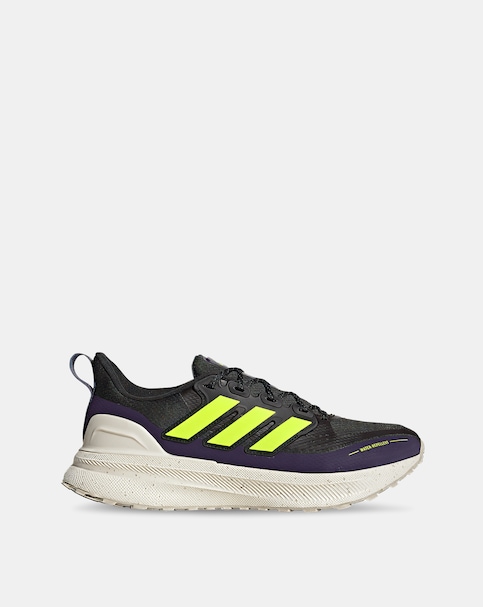
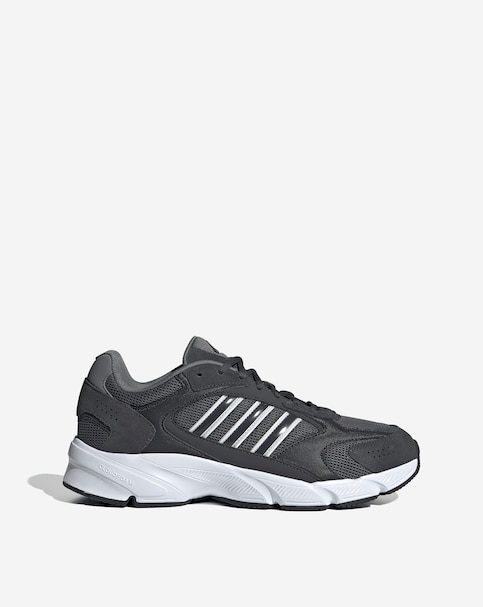
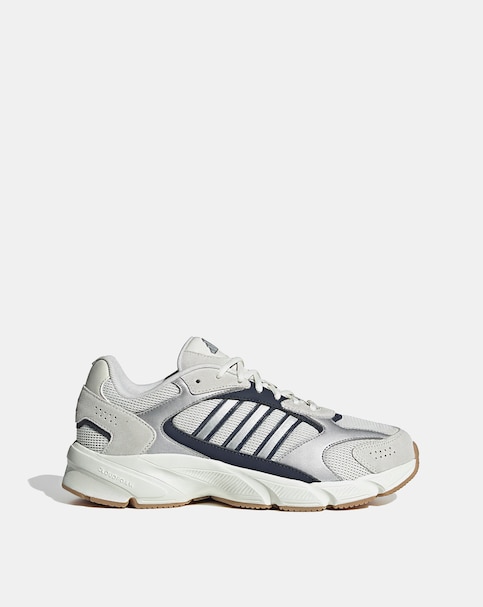
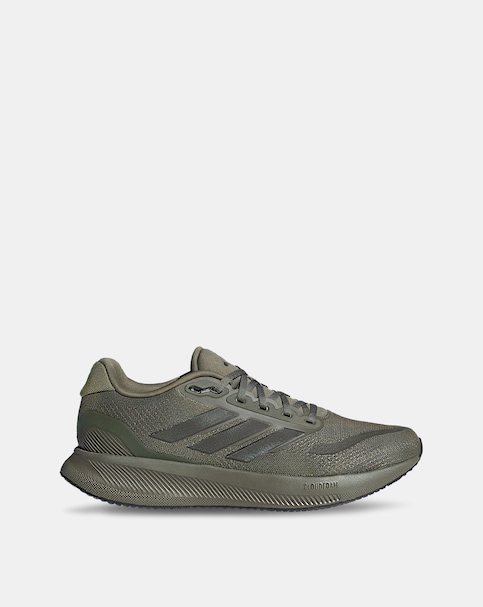
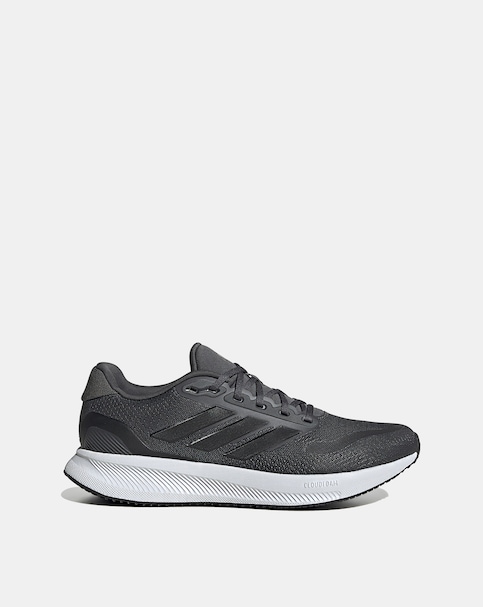
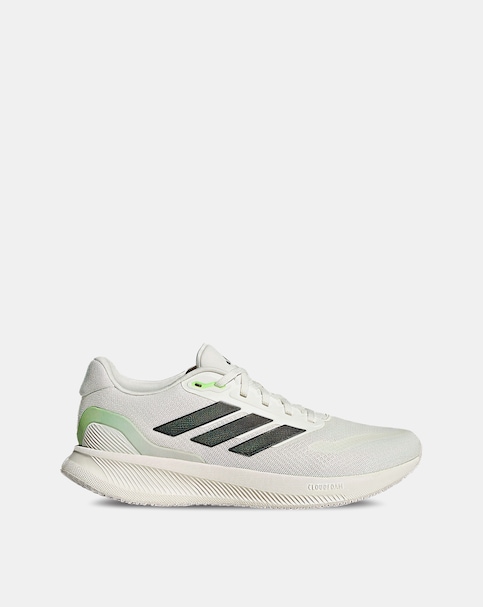
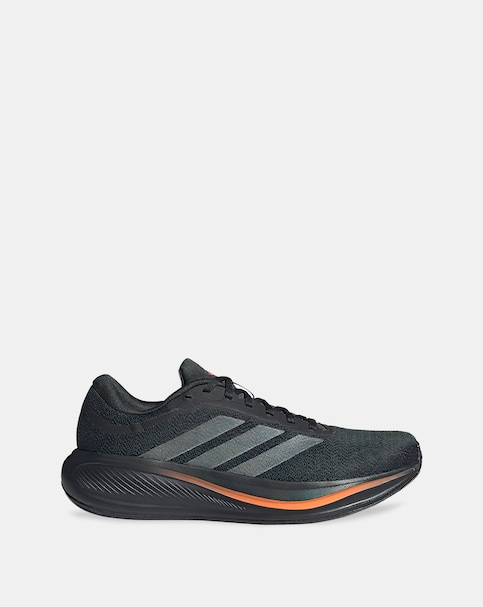
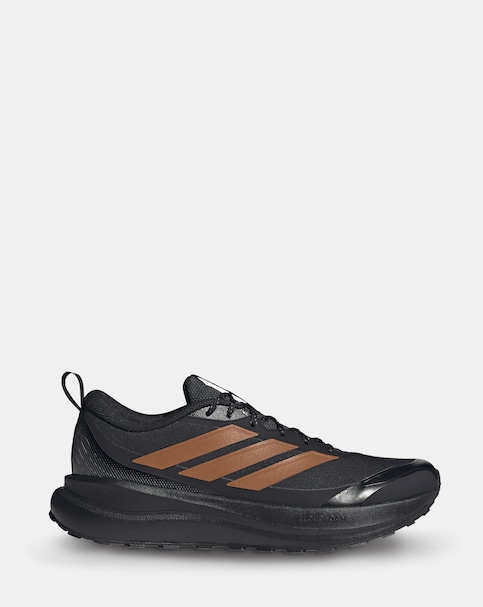
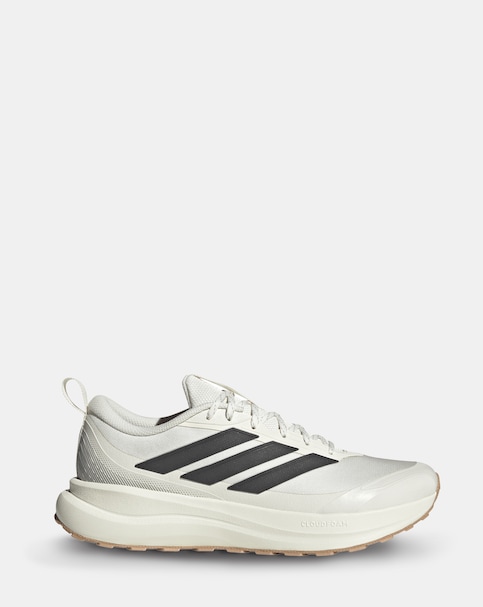
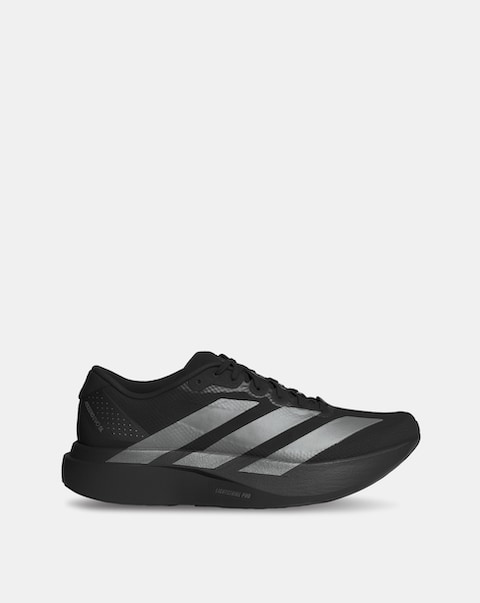
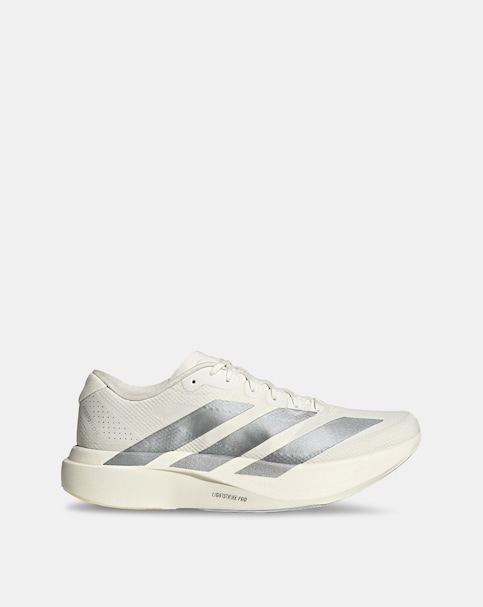
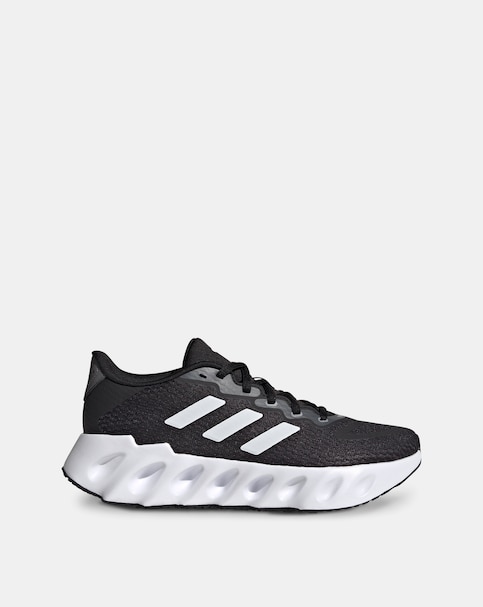
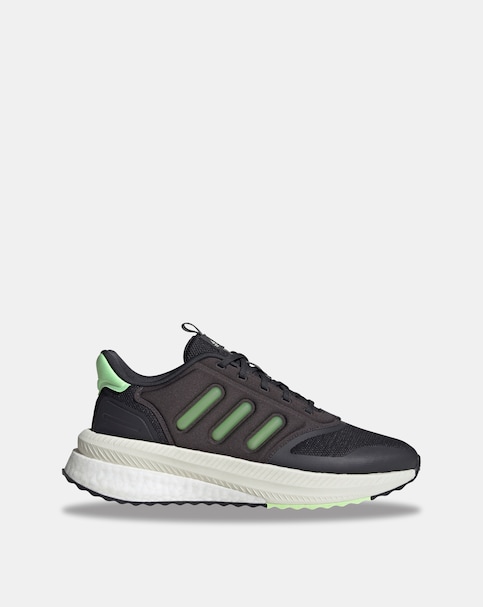
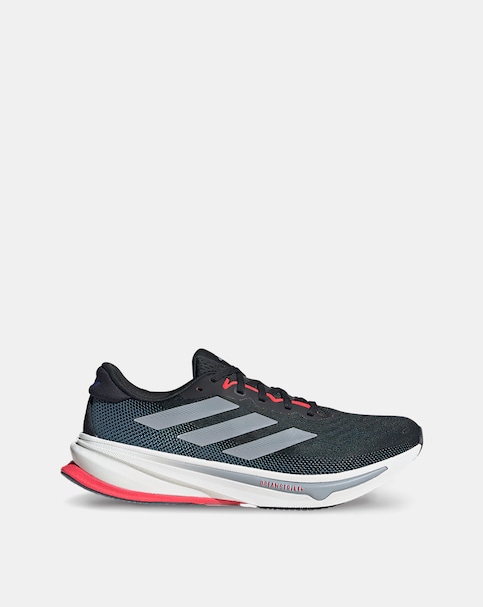
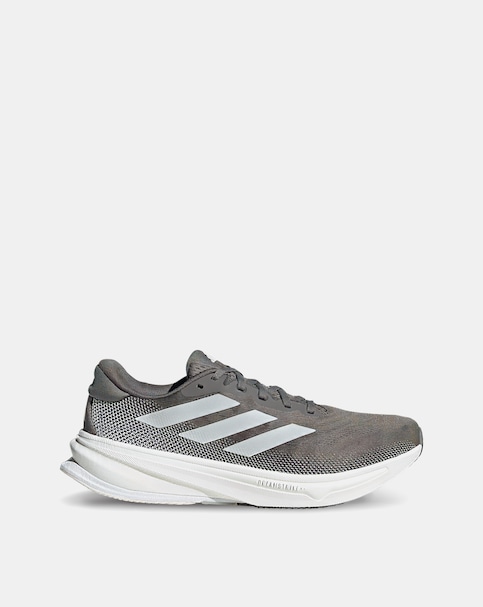
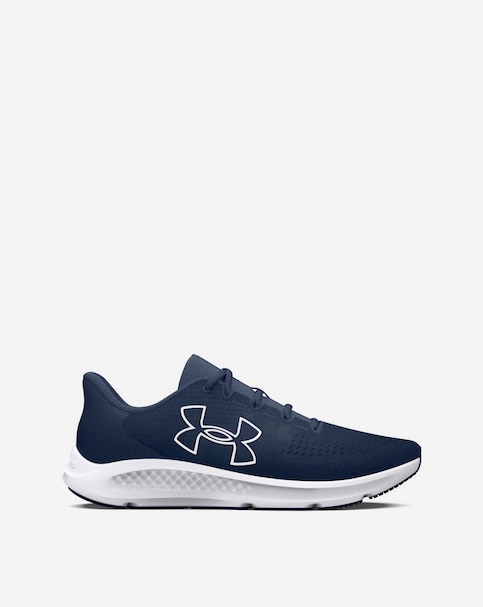
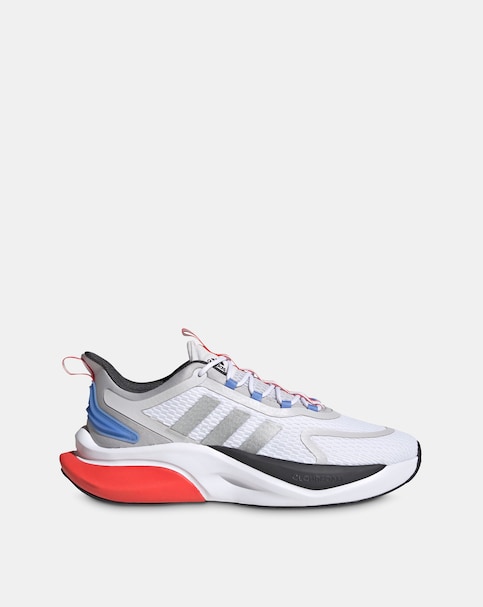
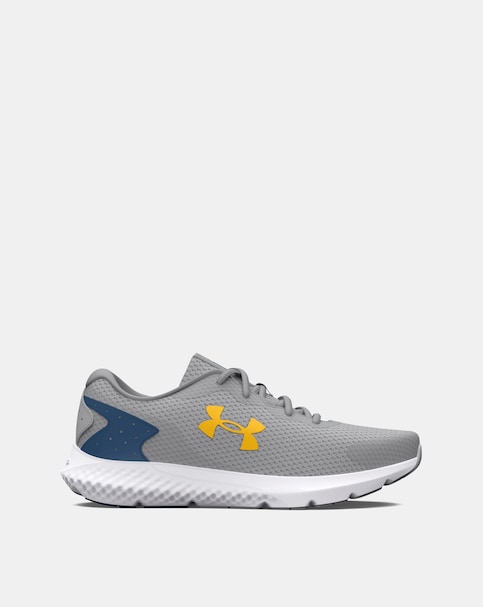
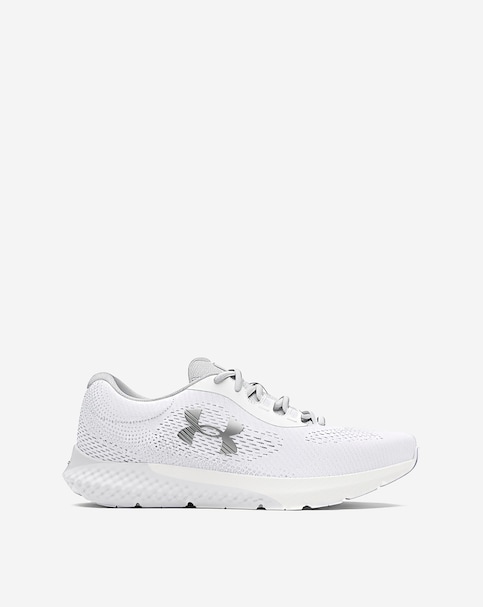
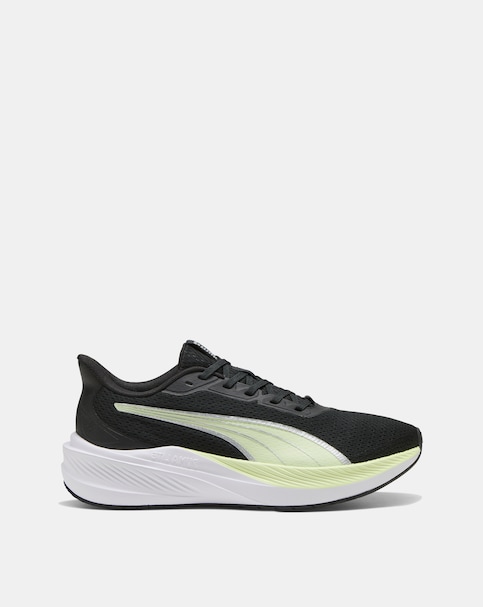
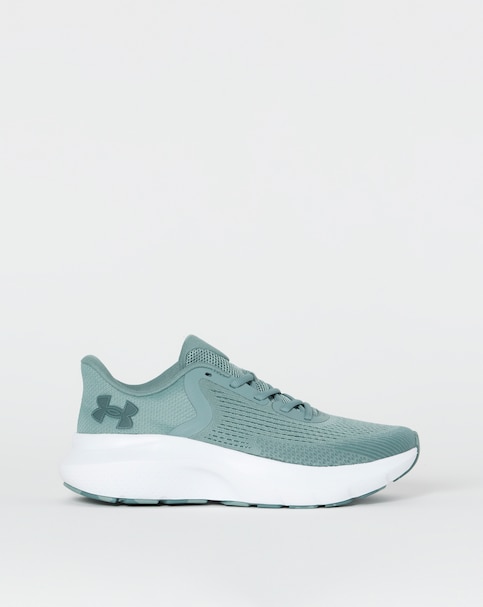
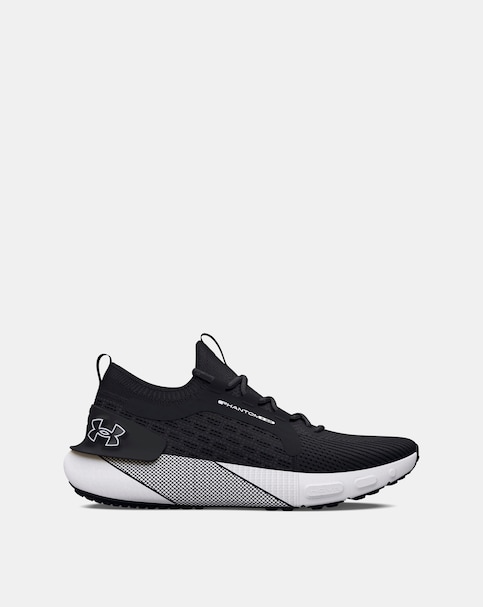
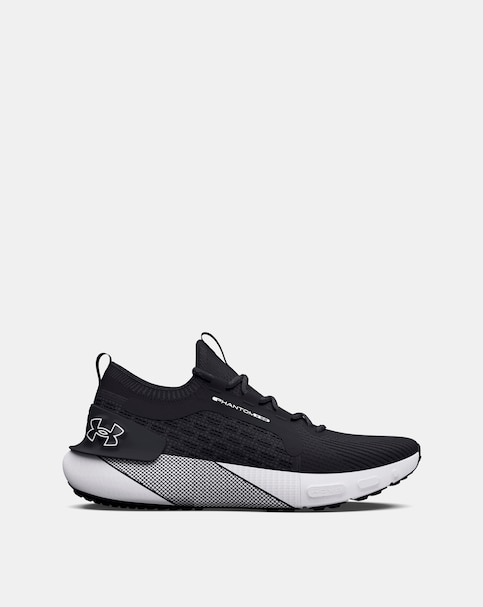
Elevate your training sessions with our expertly designed running shoes for interval training, crafted to provide the perfect blend of comfort, support, and responsiveness. These shoes feature lightweight materials and breathable uppers to keep your feet cool during intense workouts, while cushioned midsoles offer exceptional shock absorption for those high-impact intervals. With enhanced traction and stability, you can confidently tackle varied terrains and quick direction changes, making them ideal for both track and trail workouts. Whether you're sprinting, jogging, or performing agility drills, our selection ensures you have the right footwear to maximise your performance and achieve your fitness goals.
What features should I look for in running shoes for interval training?
- When selecting running shoes for interval training, look for lightweight construction and breathable materials to enhance comfort during intense workouts. Good cushioning is essential for shock absorption, while a responsive midsole will help you transition quickly between speeds. Additionally, ensure the shoes have a durable outsole with excellent traction for stability during quick movements.
Are interval training shoes suitable for long-distance running?
- While interval training shoes are designed primarily for short bursts of speed and agility, many can also be suitable for longer runs. However, if you plan to run long distances regularly, consider shoes specifically designed for endurance, as they typically offer more cushioning and support for prolonged wear.
How do I know if I need a specific type of running shoe?
- Your foot type and running style play a significant role in determining the right shoe for you. If you have flat feet or high arches, look for shoes that provide the necessary support and stability. Additionally, consider your training routine; if you frequently perform interval training, opt for shoes that enhance speed and agility.
Can I use running shoes for other types of workouts?
- Yes, running shoes designed for interval training can often be used for various workouts, including cross-training, gym sessions, and circuit training. Their lightweight and supportive design makes them versatile for different activities, but ensure they meet the specific demands of your workout to avoid discomfort.
How often should I replace my running shoes for interval training?
- It's generally recommended to replace your running shoes every 300 to 500 miles, depending on your running style and the shoe's construction. Pay attention to signs of wear, such as decreased cushioning or visible damage, as these can affect performance and increase the risk of injury. Regularly assessing your shoes will help ensure you maintain optimal support during your training.