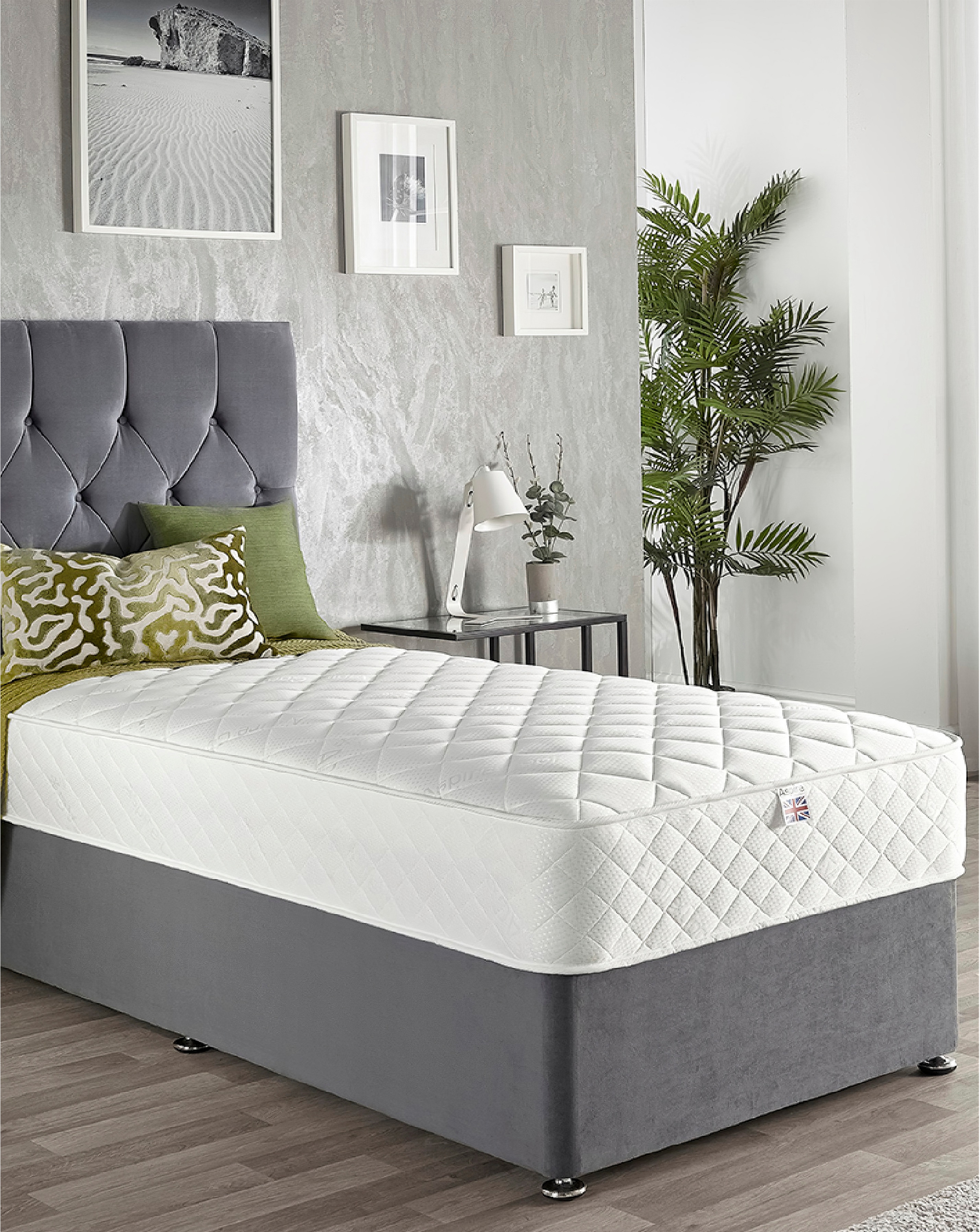
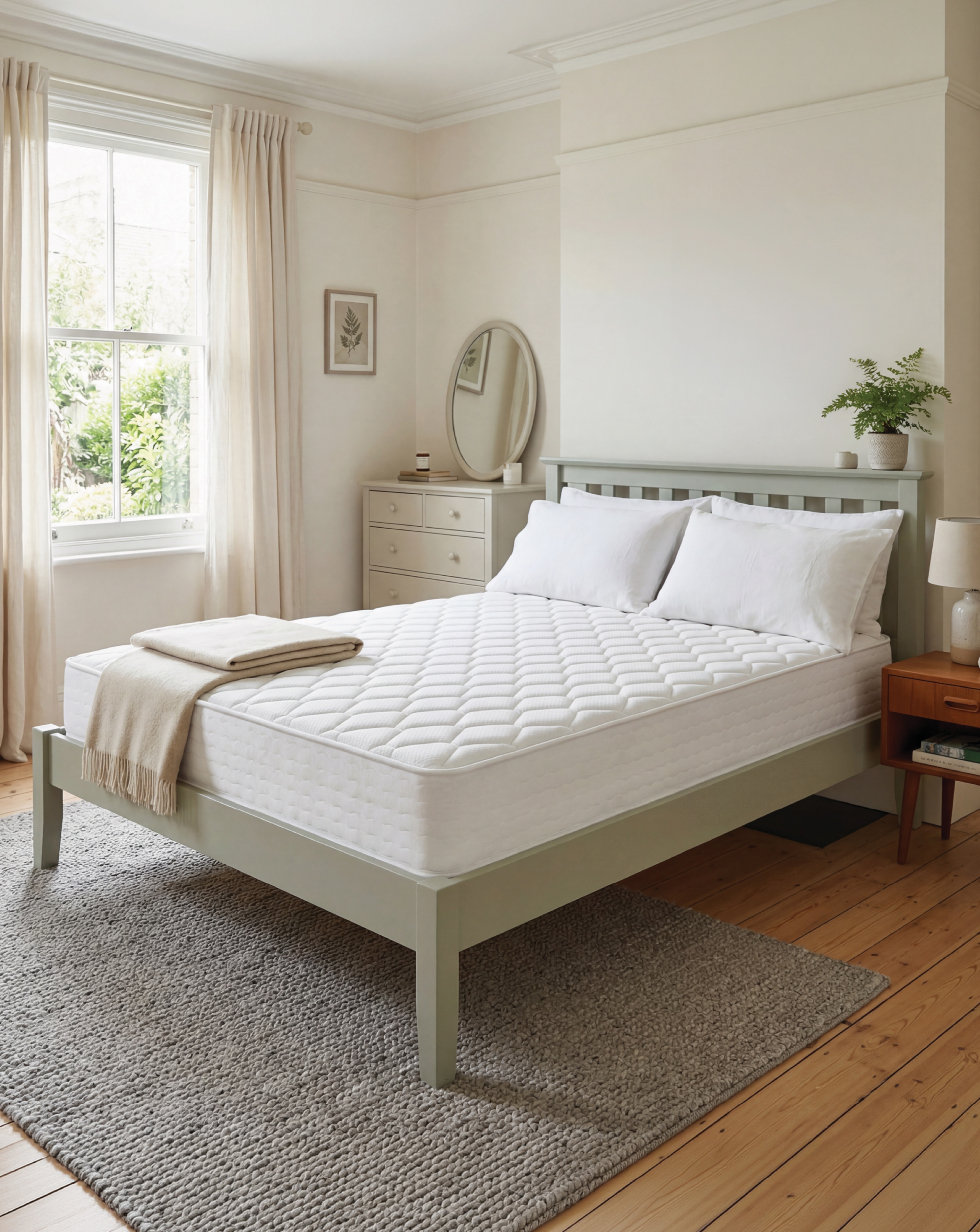
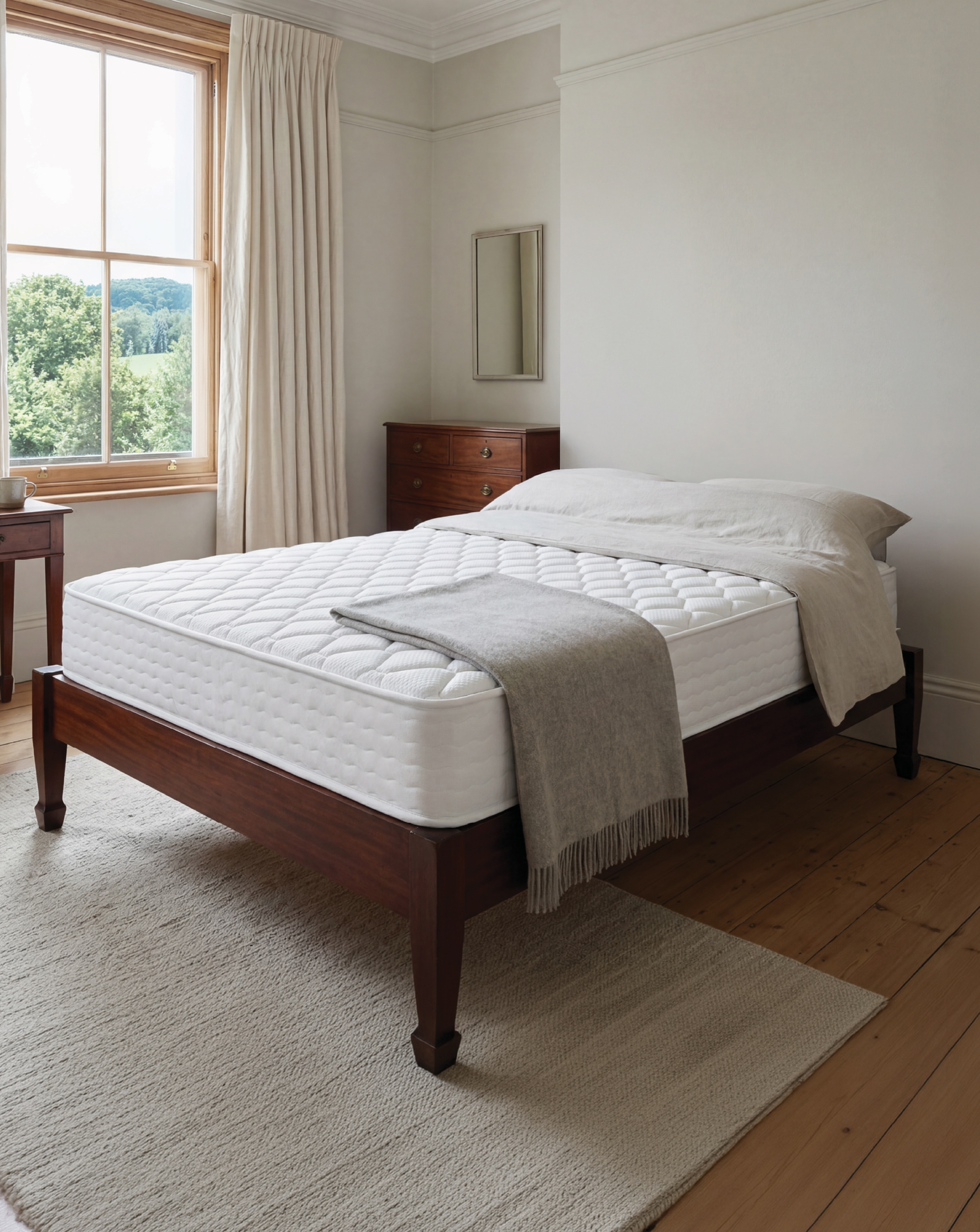
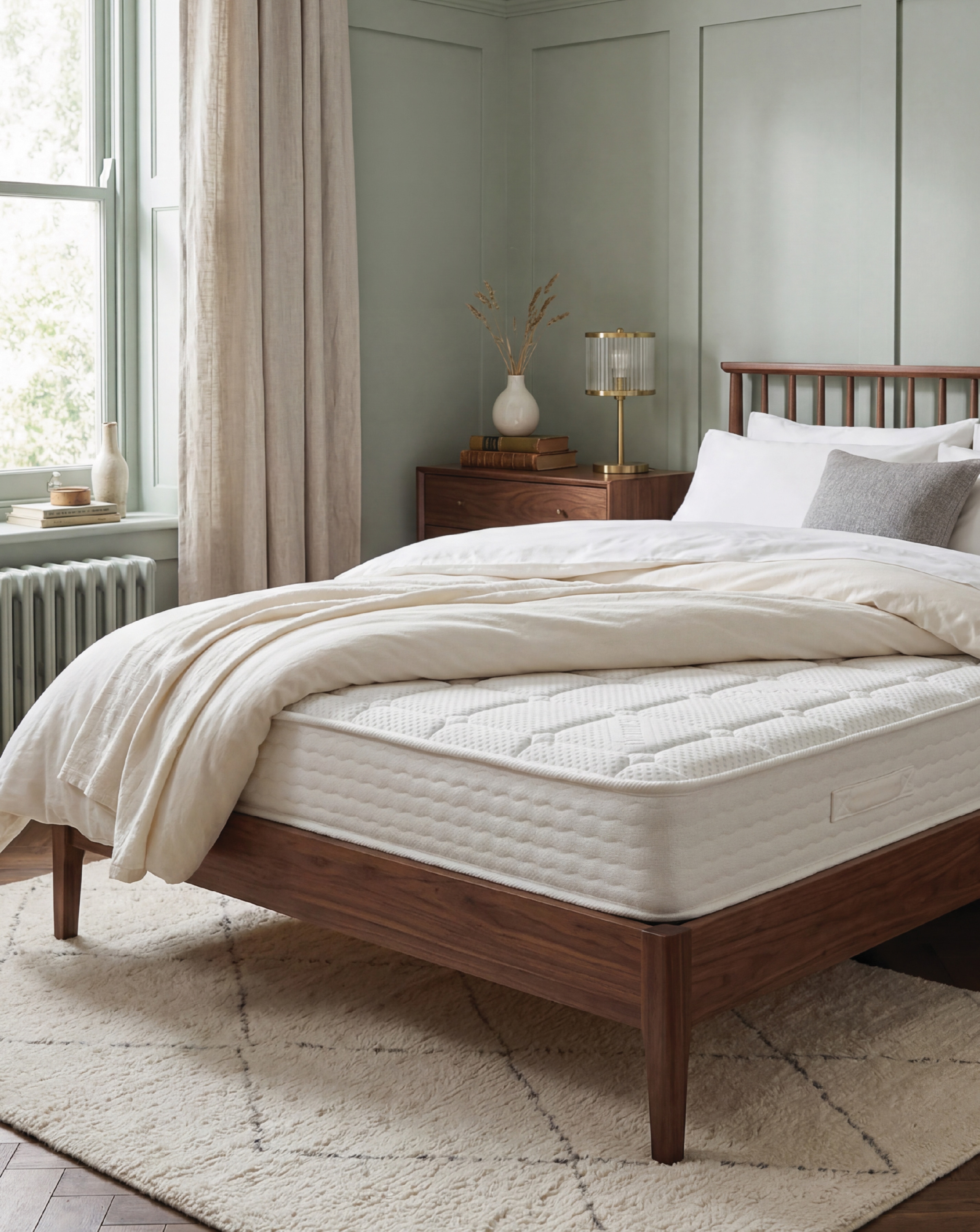
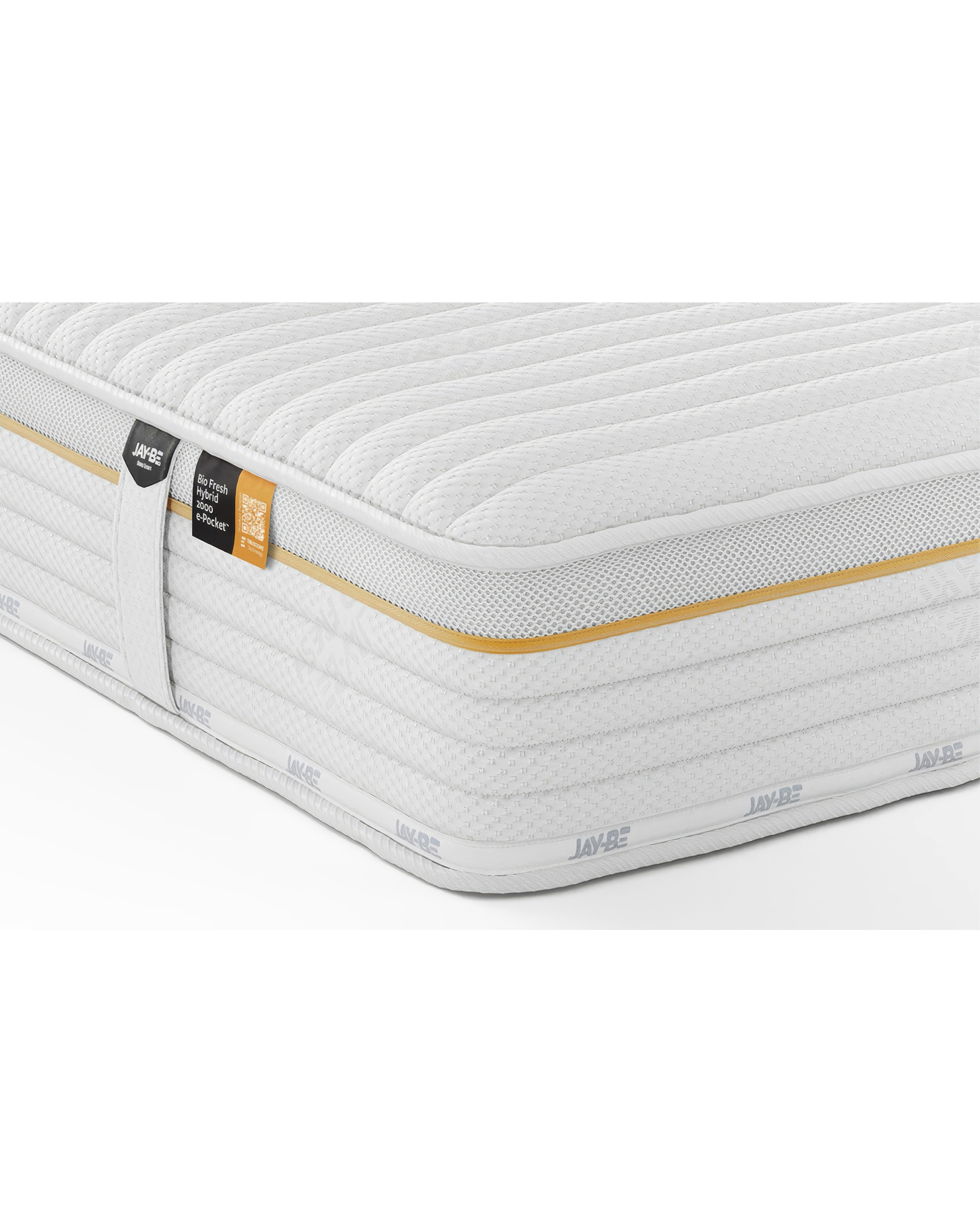
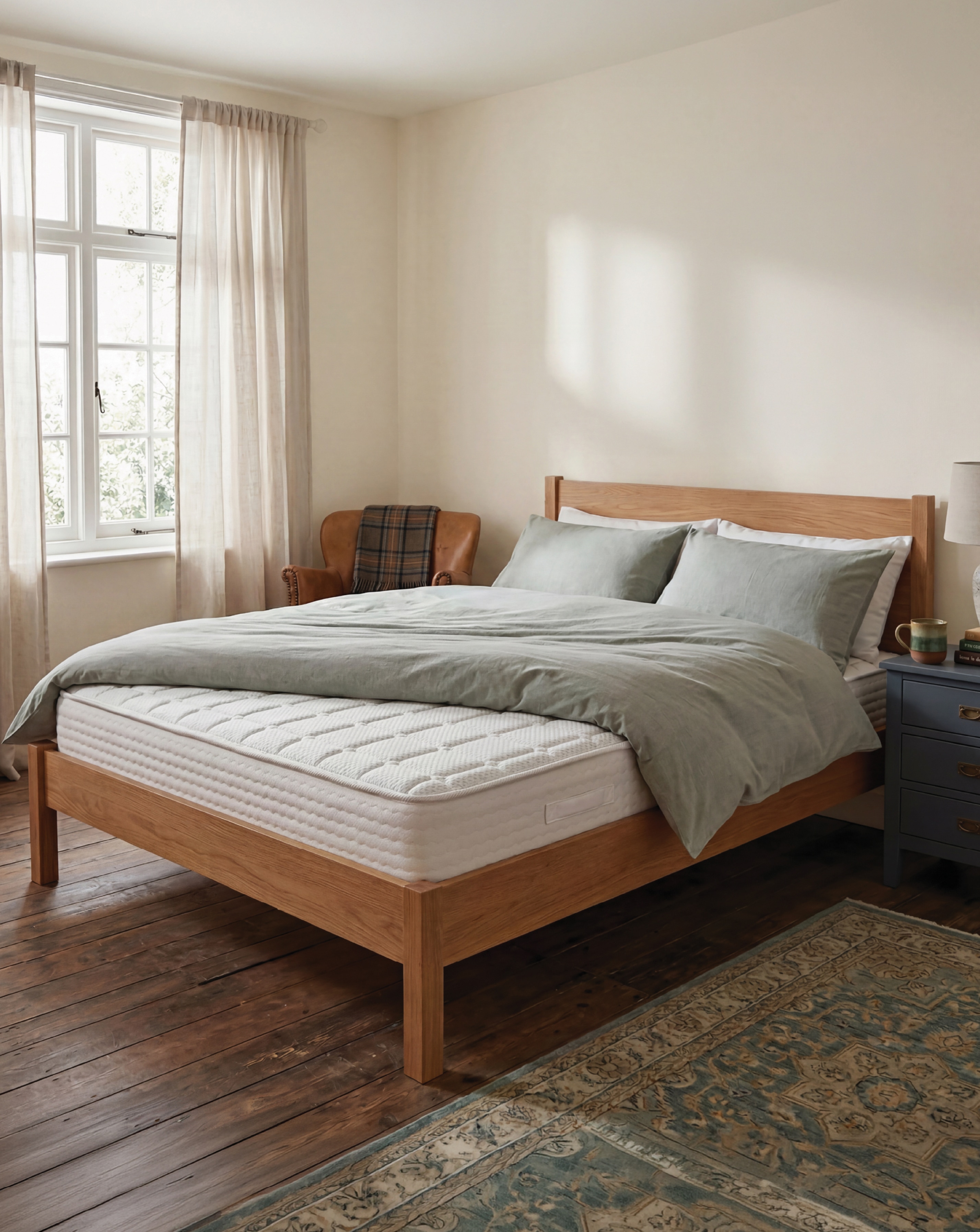
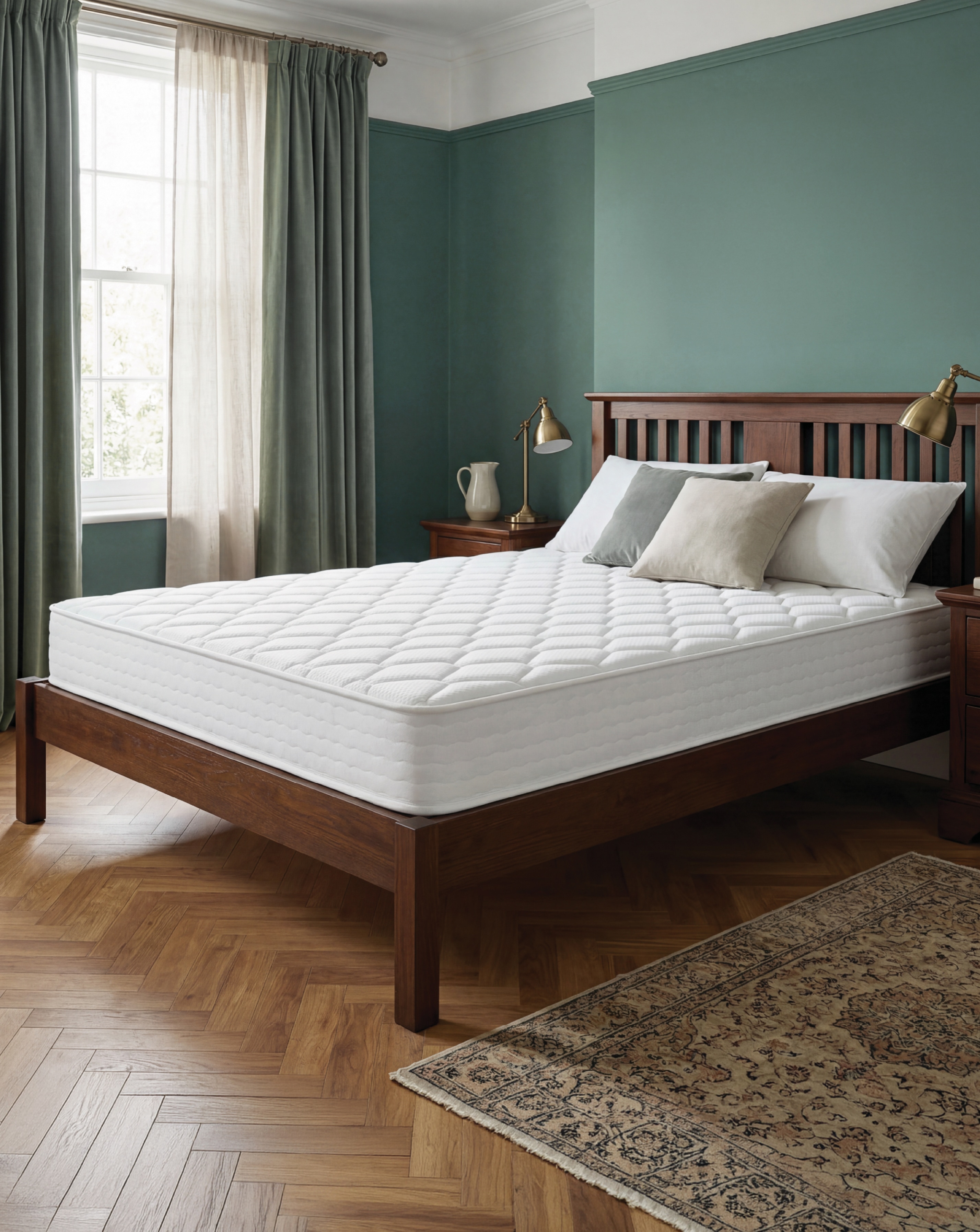
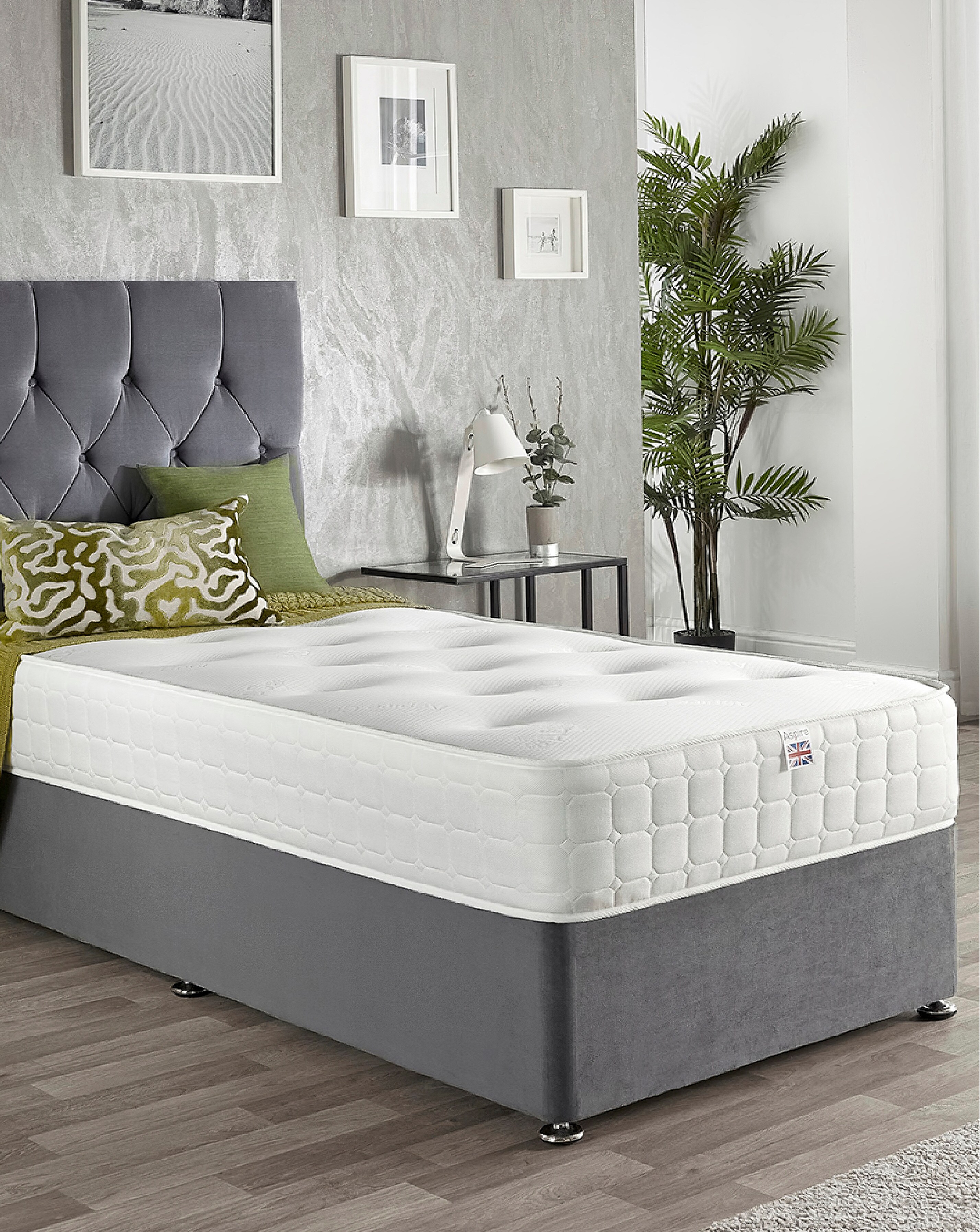
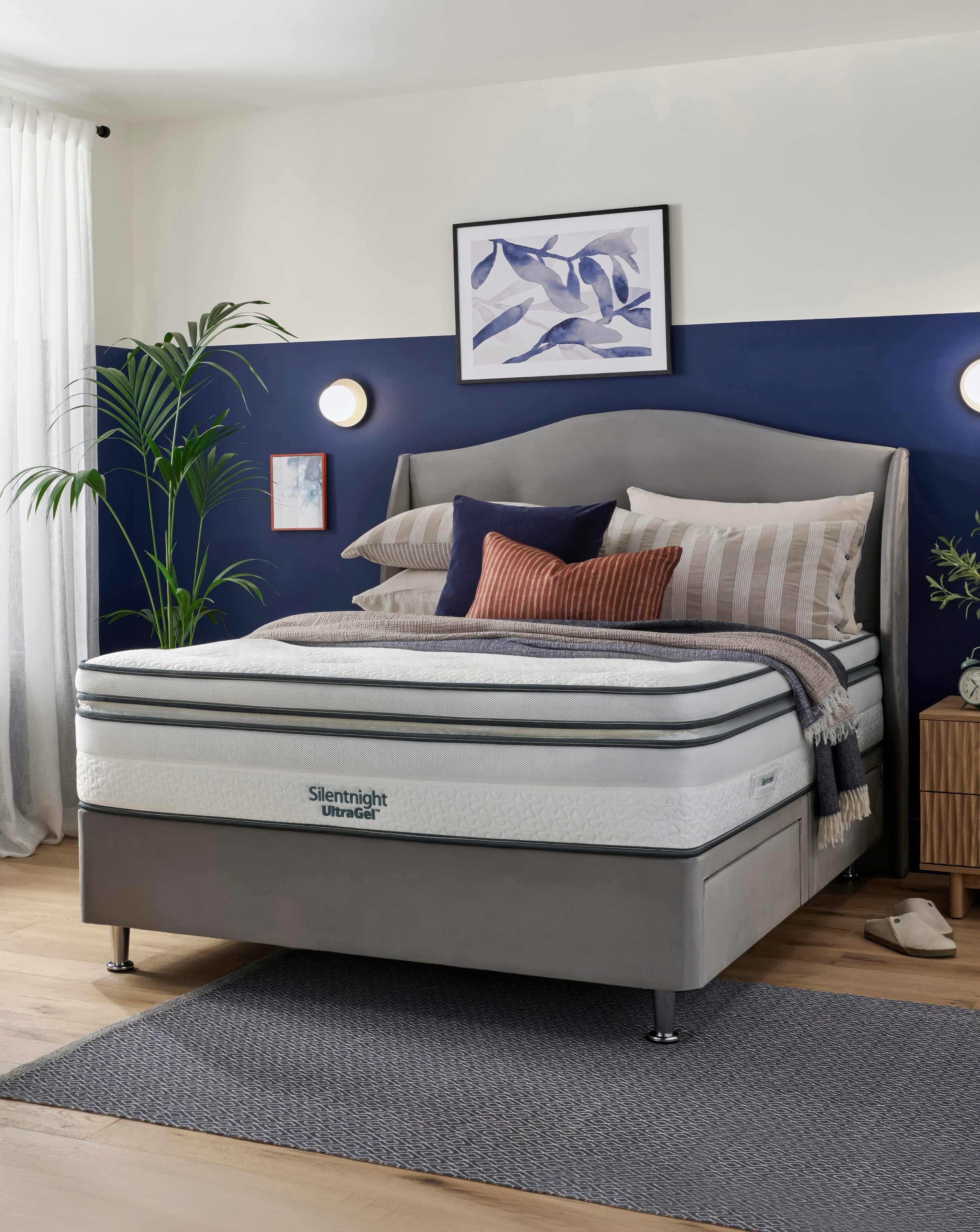
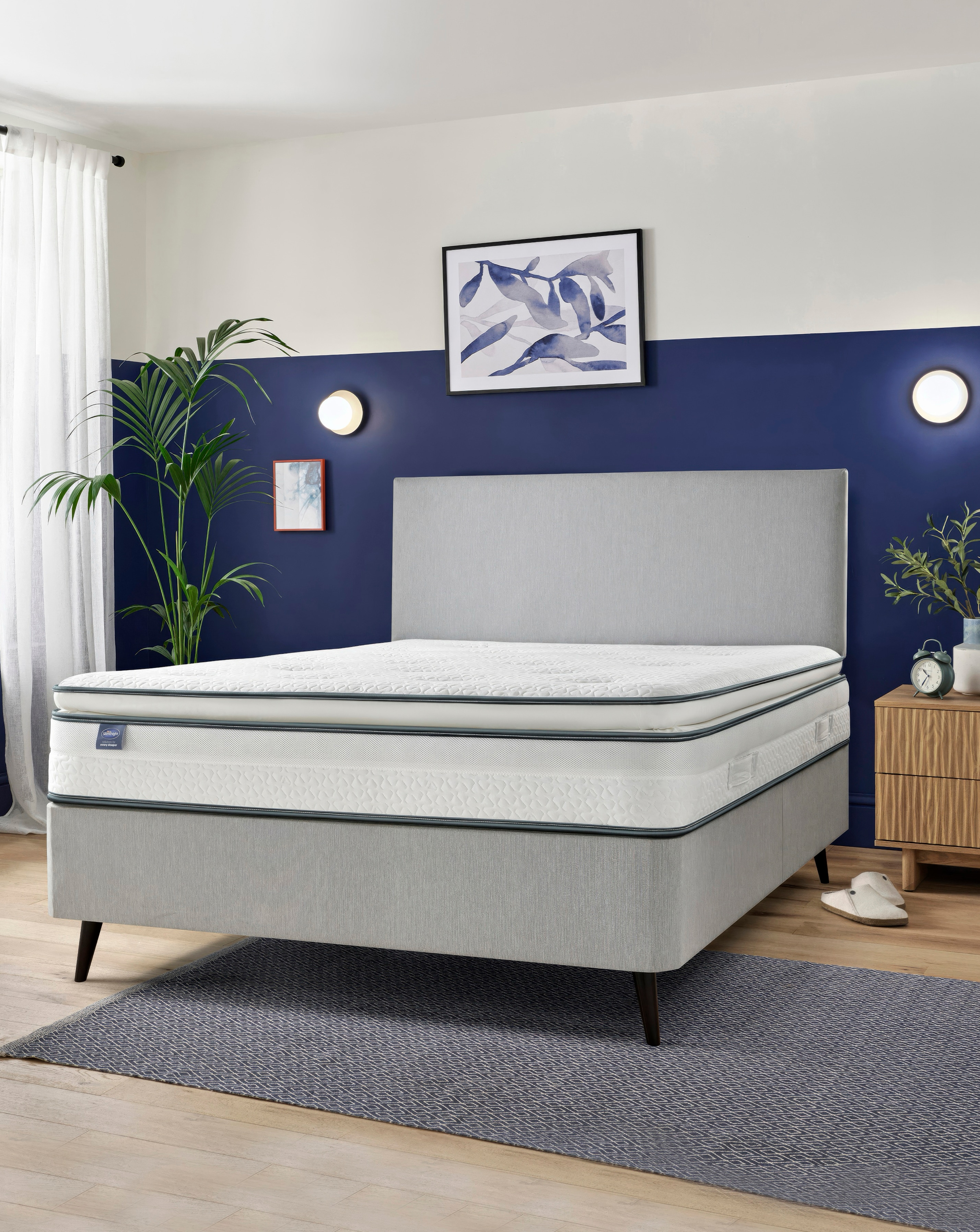
Discover the ultimate comfort and protection with our range of anti-dust mattresses, designed to enhance your sleep experience while keeping allergens at bay. These mattresses feature advanced materials that help reduce dust mites and other allergens, making them ideal for allergy sufferers. With options that include memory foam, pocket springs, and hybrid designs, you can find the perfect balance of support and comfort tailored to your sleeping preferences. Enjoy a restful night's sleep knowing that your mattress is working to create a healthier sleeping environment, allowing you to wake up refreshed and rejuvenated every morning.
What are anti-dust mattresses?
- Anti-dust mattresses are specially designed to reduce allergens, such as dust mites, that can trigger allergies and asthma. They often feature hypoallergenic materials and protective covers that create a barrier against these irritants, promoting a healthier sleep environment.
How do anti-dust mattresses help with allergies?
- These mattresses are constructed with materials that resist the accumulation of dust mites and other allergens. By minimising exposure to these irritants, they can help alleviate allergy symptoms, leading to a more comfortable and restful sleep experience.
Are anti-dust mattresses suitable for everyone?
- While anti-dust mattresses are particularly beneficial for allergy sufferers, they can be a great choice for anyone looking for a cleaner and healthier sleep environment. Their hypoallergenic properties can enhance overall comfort and well-being for all sleepers.
What types of anti-dust mattresses are available?
- There is a variety of anti-dust mattresses available, including memory foam, pocket spring, and hybrid options. Each type offers unique benefits, such as pressure relief, support, and breathability, allowing you to choose the best fit for your sleeping style.
How often should I replace my anti-dust mattress?
- It is generally recommended to replace your mattress every 7 to 10 years, depending on wear and tear. Regularly assessing the condition of your mattress, including any signs of sagging or discomfort, can help determine when it’s time for a replacement to maintain optimal sleep quality.